
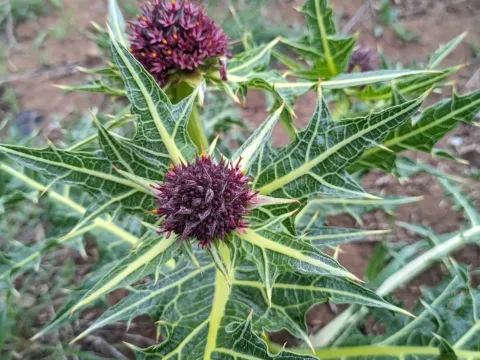
Gundelia
Gundelia
Gundelia is a genus of perennial plants in the Asteraceae family, often recognized for its role as a traditional wild food source in the Middle East and Mediterranean regions. Its potential as a cultivated crop lies in its remarkable resilience to harsh environments.
What the section contains

Gundelia
The plant features a deep taproot that allows it to access groundwater in arid landscapes, making it naturally adapted to survival in heat-stressed regions. It requires well-drained soil, preferably sandy or rocky loams, to prevent moisture accumulation near the crown.
Direct exposure to sunlight is vital for Gundelia, as the plant does not thrive in shaded environments. It exhibits a high tolerance for temperature fluctuations and is exceptionally well-suited for regions with long, hot summers where other crops struggle with water stress.
Agronomic management involves maintaining low soil moisture after the establishment phase. While it is hardy, the initial growth stages benefit from light irrigation to ensure a strong root system development before the plant enters its mature, drought-tolerant phase.
The economic value of Gundelia stems from its edible young shoots, buds, and immature inflorescences. These parts are typically consumed raw, cooked, or pickled, providing a nutritious alternative to more water-intensive vegetable crops in arid agricultural zones.
Fungal diseases such as root rot and powdery mildew are the most common threats to Gundelia when grown in high-humidity conditions or poorly drained soils. Improving field drainage is the primary defense strategy for mitigating these risks.
Insects like aphids and specialized weevils frequently infest the soft tissues and developing flower heads of the plant. Monitoring and timely intervention are necessary to maintain the marketability of the harvested product during the spring growth cycle.
Wireworms and other soil-dwelling pests pose a challenge to seedling survival. Ensuring that the planting site has been properly cleared and managed for pests in the previous season is essential for establishing a healthy, uniform crop density.
Weed management is critical during the first few weeks after germination. Because Gundelia grows relatively slowly at the start, weeds can quickly outcompete the young plants for sunlight and soil nutrients, necessitating manual or mechanical intervention.
Viral infections can affect overall vigor, often signaled by foliage discoloration and stunted growth. Implementing strict field sanitation and pest control measures to manage vectors like aphids is key to preventing the spread of such diseases throughout the plantation.