
Gymnanthemum myrianthum
Gymnanthemum myrianthum
Description
Growing requirements
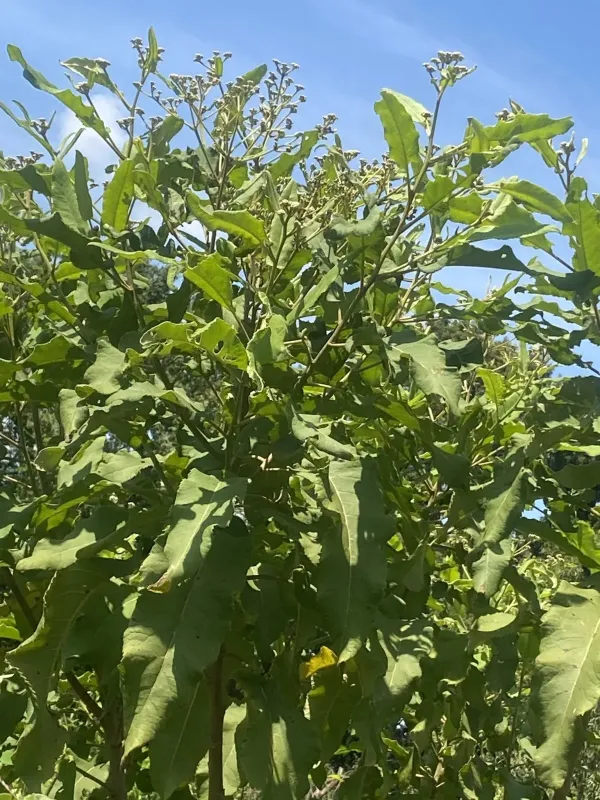
Gymnanthemum myrianthum is a woody shrub belonging to the Asteraceae family, naturally occurring in the afro-montane forests and highland regions of tropical Africa.
The plant is recognized for its ecological importance and its traditional use as a medicinal resource, containing secondary metabolites that are of interest for pharmacological applications.
Successful cultivation requires well-drained, nutrient-rich soils with good permeability, as the root system is sensitive to waterlogging which can lead to rapid physiological decline.
Climatic requirements are specific to high-altitude tropical regions, favoring moderate temperatures and stable humidity levels throughout the growing season.
Agrotechnical practices involve careful site selection to ensure adequate sunlight exposure, combined with regular organic fertilization to maintain soil structure and supply essential micronutrients.
Main diseases and pests
The primary threats to crop health include soil-borne fungal pathogens that thrive in high-humidity conditions, often resulting in root rot and stem decay if drainage is poor.
Foliar pests, such as aphids and spider mites, are common challenges that necessitate vigilant scouting and the use of targeted biological control agents to protect biomass quality.
Caterpillar infestations can lead to significant defoliation, requiring immediate intervention to prevent damage to the photosynthetic capacity of the plant.
Weed competition is a significant concern during the early establishment phase, as unwanted plants can host viral vectors and provide shelter for harmful insect pests.
Preventive strategies involve maintaining proper plant spacing to improve air circulation, which significantly lowers the incidence of foliage-based diseases and environmental stress.