
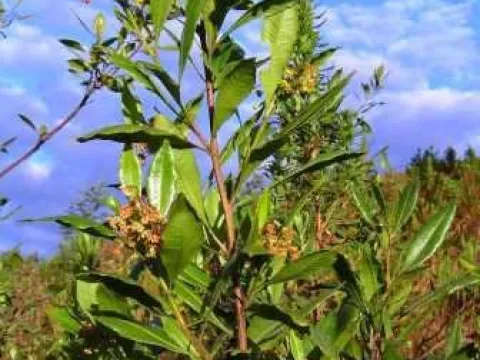
Gutenbergia
Gutenbergia
Gutenbergia is a genus of herbaceous plants belonging to the Asteraceae family. Native primarily to the African continent, these plants are known for their adaptation to various tropical and subtropical ecosystems, where they occupy diverse environmental niches.
What the section contains

Gutenbergia
Successful cultivation of this crop requires well-drained, nutrient-rich soils. The plant shows high sensitivity to waterlogging, necessitating proper land drainage to maintain root health and prevent the onset of physiological disorders caused by hypoxic conditions.
In terms of climate, Gutenbergia thrives in warm, stable conditions with high solar radiation. Temperatures should ideally range between 22 and 28 degrees Celsius for optimal biomass production. Exposure to frost is detrimental and must be avoided to ensure plant survival.
Agronomic practices for this culture emphasize the importance of regular inter-row cultivation to promote aeration and moisture regulation. Balanced fertilization programs, focusing on nitrogen and phosphorus, are crucial for supporting rapid vegetative development.
The agricultural utility of the genus is currently being explored in terms of fodder potential and botanical extracts. Its role in local cropping systems is largely determined by its resilience and ability to thrive in specific climatic conditions that restrict other more sensitive species.
The crop is prone to fungal infections, particularly under conditions of high relative humidity. Powdery mildew and root rot are the primary pathogens that require strict monitoring and the implementation of effective crop rotation strategies to minimize impact.
Pest pressure from aphids and defoliating insects remains a significant challenge for growers. Integrated pest management, combining physical barriers and biological control agents, is recommended to safeguard the crop from extensive damage throughout the growing season.