
Gymnanthemum amygdalinum
Gymnanthemum amygdalinum
Description
Sowing dates
Propagation is predominantly achieved through stem cuttings, which ensures genetic consistency and faster crop maturity compared to seeds. Cuttings of approximately 20 cm in length are planted in well-prepared nursery beds before being transplanted to the main field.
Seed propagation is possible, though less common due to slow initial seedling growth. Seeds should be sown in trays with a fine soil medium, kept consistently moist until germination, to ensure uniform establishment of the crop.
Growing requirements
Gymnanthemum amygdalinum, commonly referred to as bitter leaf, is a prominent member of the Asteraceae family. Originating from tropical Africa, this versatile plant is widely cultivated across various tropical climates for both culinary and medicinal purposes.
This crop thrives in environments with temperatures ranging from 20 to 30 degrees Celsius. It is relatively drought-tolerant once established, but to achieve maximum biomass yield, it requires regular irrigation, especially during the dry season, to maintain succulent leaf growth.
The plant prefers fertile, well-drained loamy soils but displays remarkable adaptability to varying soil conditions. High organic matter content is essential for sustaining long-term production, so farmers typically enrich the planting areas with compost or farmyard manure before establishment.
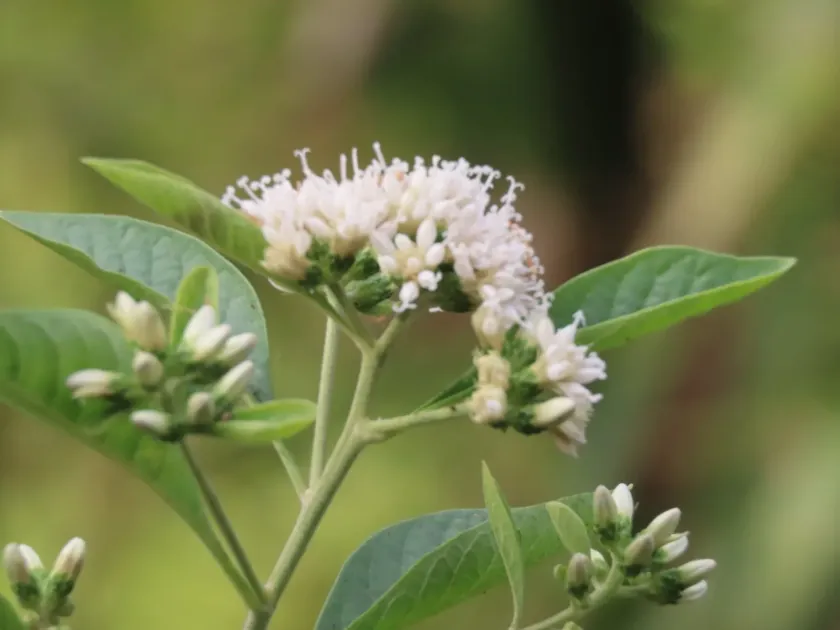
Botanically, it is a perennial shrub that can grow up to several meters in height if left unpruned. Its leaves are simple, alternate, and characterized by a distinct bitter taste. This bitterness is a result of chemical compounds such as sesquiterpene lactones, which act as natural pesticides.
In agricultural practice, Gymnanthemum amygdalinum is valued for its rapid biomass turnover. It serves as a nutritious green vegetable, a traditional herbal medicine, and a beneficial additive in livestock feed, owing to its antimicrobial and antioxidant properties.
Main diseases and pests
While relatively robust, the plant can be susceptible to fungal diseases such as leaf spot or powdery mildew under conditions of poor ventilation or excess humidity. Maintaining proper spacing between rows is a critical management strategy to improve air circulation.
Common insect pests include aphids, grasshoppers, and various leaf-eating caterpillars. Integrated pest management (IPM) practices, such as the use of neem-based sprays or natural predatory insects, are highly effective in managing these infestations without chemical residues.
Harvesting
Harvesting is continuous, involving the systematic removal of mature leaves or the pruning of apical shoots. This practice not only provides a steady supply of fresh produce but also encourages the plant to develop a more dense and productive canopy.