
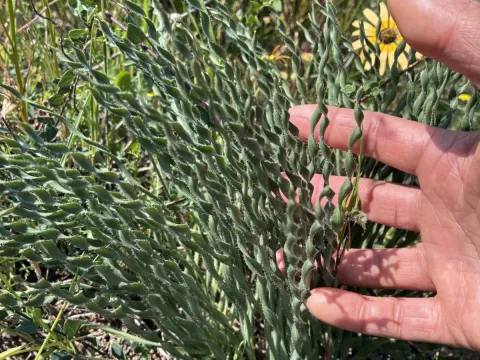
Gethyllis
Gethyllis
Propagation of Gethyllis in cultivation is most commonly achieved through seeds, as bulb division is an exceptionally slow process. Harvesting seeds is carried out immediately after the fleshy fruits reach full maturity, often appearing above the soil surface.
What the section contains


Gethyllis
It is recommended to sow seeds immediately after collection, as they lose viability very quickly. A well-drained sandy substrate, mimicking the plant's natural habitat, is the preferred medium.
The optimal time for sowing in a controlled environment is late summer or early autumn, which corresponds to the start of the plant's natural growing season.
Seeds should be planted at a depth of 1 to 2 centimeters. Maintaining moderate moisture in the substrate is crucial, while ensuring water does not stagnate, as this can easily lead to embryo rot.
Germination of Gethyllis seeds is a lengthy process. Sprouts may appear only after several months, necessitating patience and consistent, careful moisture management during the waiting period.
Gethyllis belongs to the Amaryllidaceae family and is native to South Africa. The plant has specific requirements for high light intensity and prefers open, sunny locations with protection from strong winds.
The soil composition must closely replicate natural conditions: loose, sandy, and highly permeable with a neutral to slightly alkaline pH. Heavy clay soils are detrimental to the root system of this culture.
Temperature regimes must account for the plant's dormant and active growth cycles. During the growing season, the plant prefers moderate warmth, whereas, during dormancy, it requires cool conditions and a completely dry substrate.
Watering must be strictly regulated. The plant receives moisture only during the flowering and leaf development phases; once the foliage dies back, watering should cease entirely until the next cycle.
Gethyllis is highly susceptible to moisture stagnation in the root zone. Effective drainage is a critical requirement to prevent bulb rot and ensure the longevity of the plant.
The primary threat to Gethyllis is fungal disease, often triggered by excessive moisture and poor ventilation in the growing medium, which leads to rot at the base of the bulb.
In greenhouses, the plant can be prone to infestations of spider mites and mealybugs, which thrive in the dry, warm environments characteristic of the plant's dormant phase.
Poor irrigation management significantly increases the risk of grey mold spreading to the succulent scales of the bulb, quickly rendering it unsuitable for further cultivation.
Systemic insecticides are recommended for pest control and should be applied during the active growth phase, adhering strictly to dosage instructions to avoid chemical damage.
Disease prevention is centered on using sterile substrate, monitoring humidity levels, and ensuring adequate airflow around the root system to prevent the development of harmful pathogens.
Harvesting the fruits is a vital agronomic step for this species. Gethyllis fruits emerge unexpectedly, often following a period of dormancy, and are prized for their pleasant fragrance, earning them the name "sand crocus."
The ripening period for the fruit is relatively short. It is essential to monitor the soil surface closely to catch the appearance of fruits in time for seed collection.
Harvesting is done by hand as the fruit skin begins to yellow or soften. Gethyllis fruits are edible and traditionally consumed by local populations, which represents one of the crop's practical uses.
After collection, the fruits must be cleaned of pulp and disinfected if the seeds are to be stored for a significant period before sowing.
The yield per bulb is quite low, which characterizes Gethyllis as an exclusive, niche crop typically grown in specialized collections or boutique horticultural facilities.