
Habranthus robustus
Habranthus robustus
Description
Sowing dates
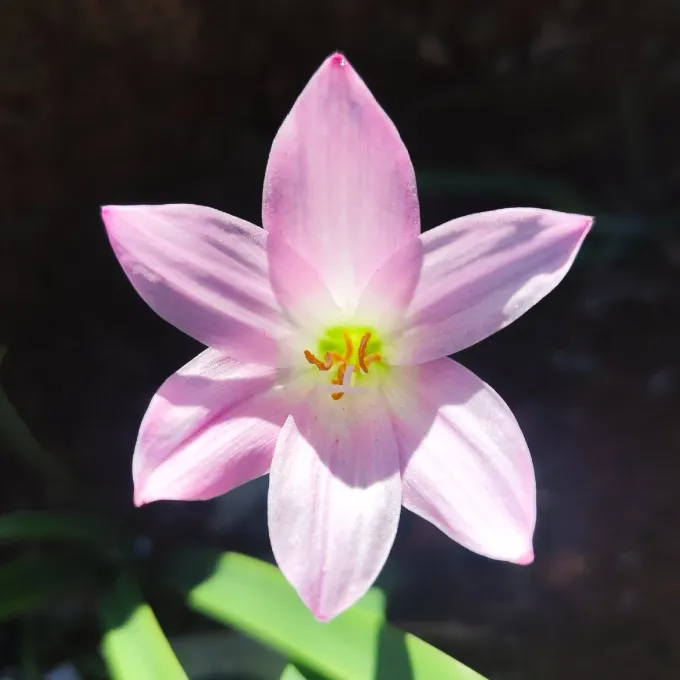
Habranthus robustus, commonly known as the hardy rain lily, is a bulbous perennial belonging to the Amaryllidaceae family. When planting in outdoor environments, bulbs should be set into the soil during the spring months, once the risk of ground frost has completely subsided and the earth has warmed significantly.
For regions with harsh winters, container cultivation is highly recommended. Bulbs are planted in well-draining potting mix in late winter or early spring, placed at a depth where the neck of the bulb sits just at or slightly below the surface level to encourage stable root development.
Propagation via seeds is a viable but slow process. Fresh seeds should be sown in a lightweight, sterile germination medium immediately after they ripen. Seedlings require consistent moisture and high humidity levels during their initial growth phase to establish viable bulbs.
It typically takes two to three years for seedlings to reach a maturity stage where they are capable of producing their first flowers. During this juvenile stage, it is essential to avoid repotting too frequently, as the plants prefer to be somewhat crowded in their containers.
When planting outdoors, a spacing of approximately 10–15 centimeters between bulbs is advised. This layout ensures adequate soil aeration and space for the multiplication of daughter bulbs, which will eventually form a dense and healthy cluster.
Growing requirements
Habranthus robustus thrives in full sun or light partial shade. While the plant appreciates warmth, it is sensitive to intense midday heat; therefore, a location with direct morning sun and protection during the hottest hours of the afternoon is ideal for vibrant flowering.
The plant requires loose, fertile, and exceptionally well-draining soil. It is highly intolerant of waterlogged conditions, which lead to bulb rot. Incorporating coarse sand or perlite into the planting hole or potting mixture is essential to improve drainage characteristics.
Watering management is key during the growth cycle. During active leaf production and flowering, water consistently to keep the soil slightly moist. However, once the flowering period concludes, water should be gradually reduced to allow the bulb to enter its natural dormancy phase.
The plant performs best in temperatures ranging from 20°C to 25°C. It is not frost-hardy, and the bulbs must be lifted and stored in a cool, dry, and dark location in regions where temperatures drop below freezing, ensuring they are protected from dehydration during storage.
Nutrient supplementation should be provided using balanced, water-soluble fertilizers applied during the active vegetative growth phase. Avoid excessive nitrogen, as it promotes lush foliage at the expense of floral development and bulb energy storage.
Main diseases and pests
Fungal pathogens represent the most significant threat to Habranthus robustus, with Fusarium rot being the most prevalent. This disease typically manifests in saturated soil, attacking the basal plate of the bulb and rapidly leading to systemic collapse of the plant.
Gray mold, or Botrytis, is another common concern, especially during periods of high humidity and poor air circulation. It appears as soft, necrotic spots on the leaves, which can quickly spread to the stems if not addressed through better ventilation and reduced humidity.
Spider mites are the most persistent pest, particularly when the atmosphere is warm and dry. These small arachnids feed on leaf tissues, causing characteristic stippling, discoloration, and a decline in the plant's overall vigor, eventually stunting bulb growth.
Larvae of various bulb-infesting insects can penetrate the outer scales of the bulb, creating entry points for secondary bacterial infections. Regular inspection of the bulb mass before storage and during the growing season is crucial for early detection of these issues.
Preventive measures include maintaining strict hygiene in the cultivation area, ensuring adequate spacing between plants to prevent the transmission of spores, and applying preventative fungicides if environmental conditions favor disease outbreaks.