
Habranthus longifolius
Habranthus longifolius
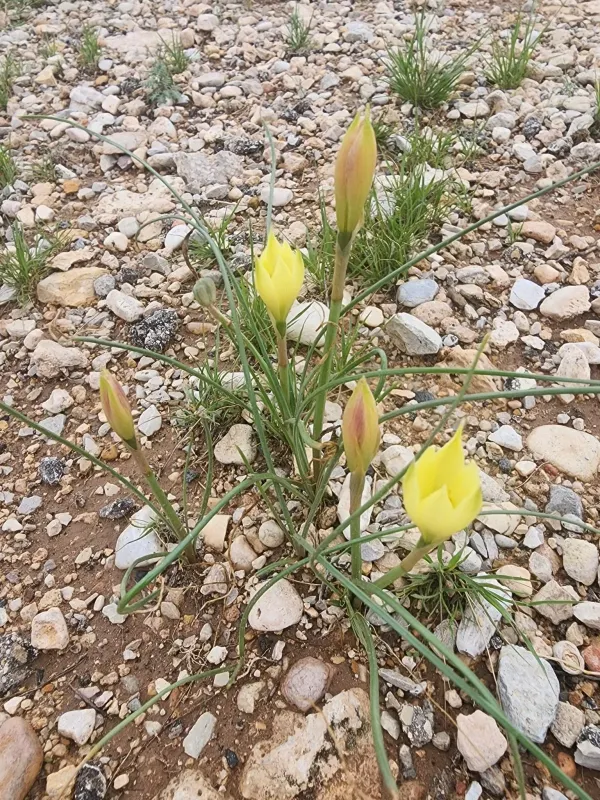
Description
Growing requirements
Habranthus longifolius is a perennial bulbous plant belonging to the Amaryllidaceae family. It is native to the arid regions of South America, where it has adapted to environments characterized by distinct cycles of rainfall and drought.
The plant is distinguished by its long, linear, and narrow leaves, which grow directly from the bulb. Its flowers are typically funnel-shaped and often incline, which is a key identifying trait that differentiates it from other genera like Zephyranthes.
Cultivation requires well-draining soil and a sunny location to mimic its natural habitat. Proper soil aeration is critical to prevent the bulb from decaying, as the species is highly susceptible to rot when kept in consistently damp or waterlogged conditions.
In temperate zones, the plant is best grown in containers, allowing for controlled winter dormancy. During this dormant phase, the bulbs should be kept in a cool, dry environment to stimulate proper blooming during the following growing season.
The primary use of Habranthus longifolius is in decorative landscaping and as a specimen for botanical collections. Gardeners value this plant for its ability to trigger rapid flowering in response to hydration after a dry period.
Main diseases and pests
The most significant threat to the culture is fungal pathogens resulting from over-irrigation. Fusarium rot is particularly common, especially when high humidity levels coincide with improper drainage in the potting medium.
Pests such as the narcissus bulb fly and spider mites can infest the plant, potentially leading to stunted growth. Effective management involves inspecting bulbs for damage prior to planting and ensuring optimal ventilation to discourage mite proliferation.