
Gethyllis villosa
Gethyllis villosa
Description
Growing requirements
Gethyllis villosa is an intriguing bulbous plant native to the arid regions of Southern Africa, belonging to the Amaryllidaceae family. The plant is well-known for its unique life cycle, characterized by a vegetative phase during the cool, wet months and a dormant period during the hot, dry summer months.
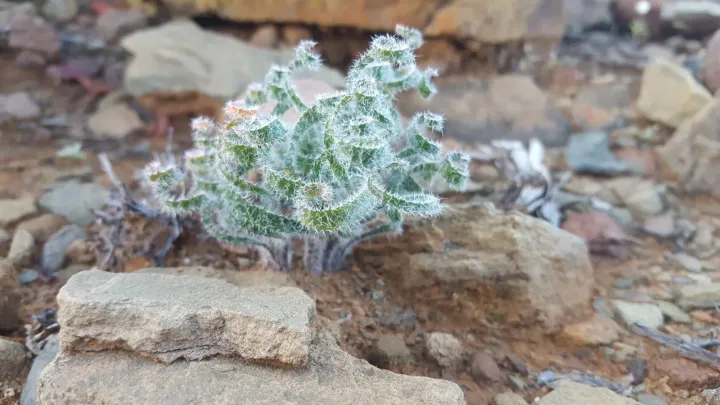
Botanically, the plant is recognized by its spiral leaves, which are typically covered in fine, hair-like structures. This adaptation helps the plant survive in extreme sun exposure and arid conditions. The bulb remains deep underground, protected from heat, and stores nutrients required for the sudden blooming cycle.
For successful cultivation, a porous, well-draining substrate is mandatory. A mixture comprising significant portions of sharp sand and pumice is recommended to prevent moisture retention. Ensuring the drainage is efficient is the most important factor in the agronomy of this species.
The climate requirements mimic the South African winter-rainfall pattern. During the growth phase, the temperature should be moderate, and sunlight should be abundant. During the summer dormancy, the bulbs must be kept completely dry to prevent rot and to trigger the subsequent flowering signal.
From an agricultural and horticultural perspective, Gethyllis villosa is primarily cultivated by specialized nurseries and botanical collections. Its commercial value lies in its rarity and its status as an interesting biological specimen for those interested in xerophytic plants and unique bulbous species.
Main diseases and pests
The main threats to Gethyllis villosa are fungal infections caused by excessive humidity. Once the bulb starts to rot, the damage is often irreversible. Providing a constant flow of fresh air is necessary to maintain the plant's health and prevent stagnant environments that invite pathogens.
Pests such as mealybugs can pose a threat, particularly if the plants are crowded or kept in poorly ventilated indoor environments. Regular monitoring of the foliage and the crown of the bulb is essential for early detection and mitigation, ensuring the long-term survival of the crop.