
Gethyllis afra
Gethyllis afra
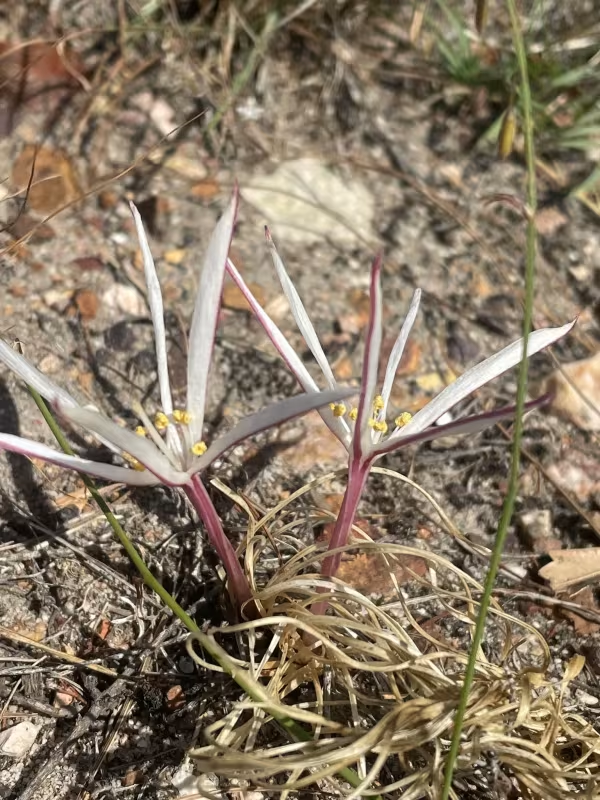
Description
Growing requirements
Gethyllis afra is a distinctive bulbous plant belonging to the Amaryllidaceae family, native to the arid regions of the Western Cape in South Africa.
The plant has evolved to survive a Mediterranean climate characterized by cool, wet winters and hot, completely dry summers when the plant enters dormancy.
For successful cultivation, a porous, sandy, and well-draining soil mix is mandatory to prevent the accumulation of moisture around the bulb.
During its growing season, the plant requires bright, direct sunlight to support the development of its characteristic leaves and flowers.
Strict adherence to the dry summer dormancy period is crucial, as any supplemental watering during this phase can lead to rapid bulb decay.
Main diseases and pests
The primary threat to Gethyllis afra is fungal infection, which is almost invariably caused by poor soil drainage or overwatering during the dormant period.
Root and bulb rot are common physiological failures that occur when the growing medium remains moist for extended periods without oxygen exchange.
In greenhouses or controlled environments, pests such as spider mites and mealybugs may infest the foliage, reducing the vigor of the bulb.
Monitoring the plant for signs of stress or infestation and applying specialized treatments at the first sign of symptoms is essential for long-term health.
Prevention remains the most effective strategy, relying primarily on keeping the bulb dry during its dormant phase and ensuring optimal airflow.