
Habranthus
Habranthus
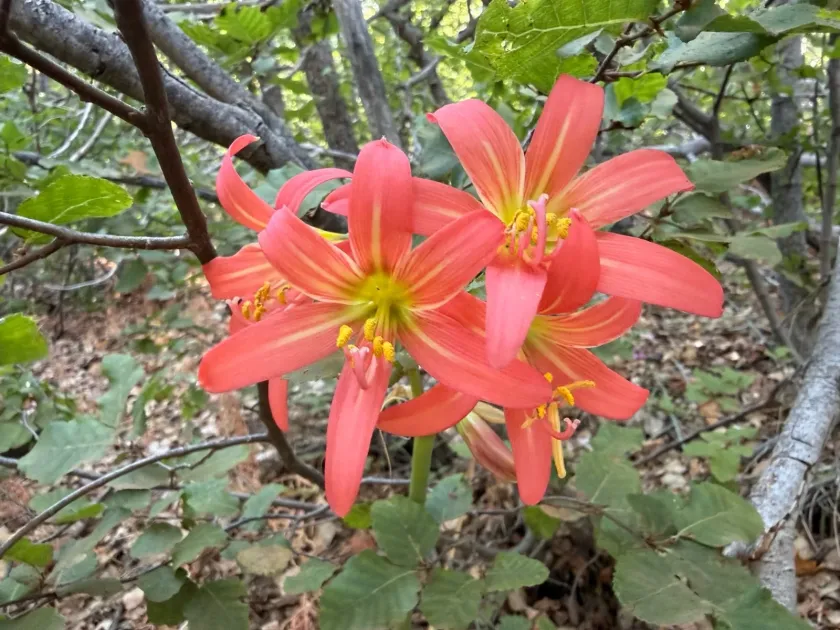
Description
Growing requirements
Habranthus is a genus of perennial bulbous plants belonging to the Amaryllidaceae family. Native to the Americas, these plants are widely recognized for their ability to bloom rapidly after periods of rainfall, earning them the common name "rain lilies" in many regions.
Botanically, the plant is characterized by thin, strap-like foliage and solitary, funnel-shaped flowers that emerge on slender stalks. The genus prefers well-drained, sandy loam soils that provide excellent aeration, as the bulbs are susceptible to rotting in waterlogged conditions.
In terms of climatic requirements, Habranthus thrives in warm environments with high light intensity. While some species show partial hardiness, most are grown as seasonal crops in cooler climates, requiring protection from frost during the dormant winter months.
Agronomic management involves strict adherence to a watering cycle. Moisture should be ample during the active growing phase but drastically reduced once the foliage begins to yellow. This dormant period is critical for the development of flower buds for the following season.
Cultivation is primarily ornamental, suited for border plantings, rock gardens, and container gardening. Their rapid growth cycle makes them excellent candidates for commercial nursery production targeting the spring and summer seasonal market.
Main diseases and pests
The most significant threats to Habranthus crops are fungal pathogens, specifically those causing basal rot and Fusarium wilt. These diseases are almost exclusively linked to poor drainage or excessive humidity during the dormancy period.
Common insect pests include mealybugs and onion maggots, which can damage the bulbs and roots. In greenhouse settings, spider mites often pose a threat by colonizing the foliage and causing chlorosis, which hinders photosynthesis and bulb development.
Integrated Pest Management (IPM) practices, including the use of clean planting stock and periodic soil sterilization, are recommended to maintain high crop health. Early detection through regular monitoring is the most effective way to prevent localized infestations.
Fungicide treatments, particularly during pre-planting bulb storage, are essential for mitigating the risk of soil-borne diseases. Ensuring that bulbs are completely dry before storage is the single most important factor in preventing storage rot.
Good cultural hygiene, such as removing debris from the growing area and maintaining proper airflow between plants, significantly reduces the pressure from both fungal spores and soft-bodied insect pests in outdoor plantations.