
Griffinia
Griffinia Ker-Gawl
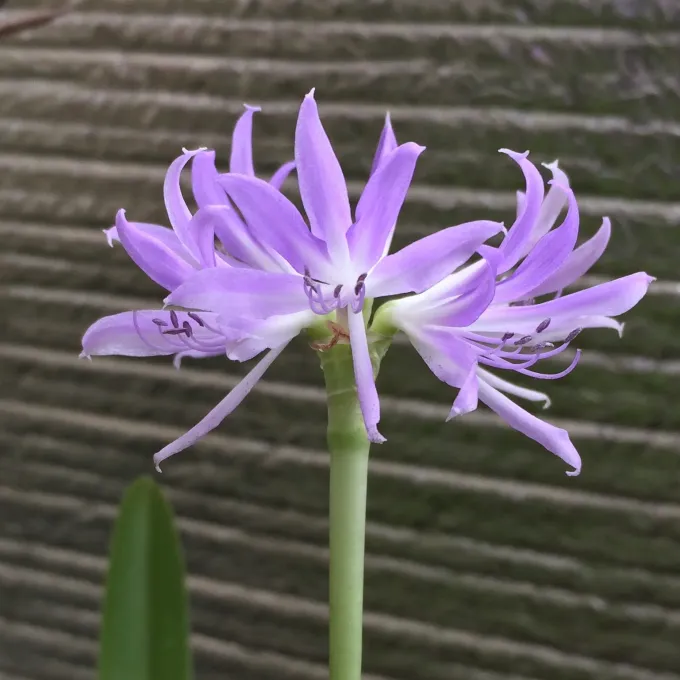
Description
Growing requirements
Griffinia is a genus of bulbous plants belonging to the Amaryllidaceae family, native to the tropical forests of Brazil. These plants are prized for their elegant, broad, often variegated foliage and unique inflorescences that bloom in cluster formations.
To ensure healthy development, Griffinia requires warm conditions with temperatures between 20°C and 25°C. During the winter dormancy phase, it is essential to lower the temperature slightly to simulate natural conditions, which encourages better flowering in the following season.
The substrate must be highly porous and rich in organic matter. A mixture of peat, perlite, and high-quality potting soil works best to prevent waterlogging, which is a major risk for tropical bulbous species.
Light requirements are specific: the plant thrives in bright, filtered light. Exposure to direct midday sun is damaging, leading to scorched leaves and overall decline in vigor, so proper positioning away from intense light sources is mandatory.
Humidity management is crucial for this genus. Frequent misting or placing the pot on a tray with damp pebbles creates a microclimate that mimics their native forest floor habitat, ensuring healthy growth and preventing leaf tip browning.
Main diseases and pests
The primary threats to Griffinia are fungal pathogens such as Stagonospora curtisii (red blotch) and various forms of bulb rot. These are almost always caused by excessive moisture and poor drainage in the potting medium.
Common insect pests include spider mites, which thrive in low-humidity environments, and mealybugs. Regular cleaning of the leaves and monitoring of the undersides are effective preventative measures for early detection.
Management of these threats involves the use of systemic fungicides during the growing season as a prophylactic measure. Proper sanitation of tools and pots is also essential to prevent the spread of soil-borne pathogens.
If rot is identified, the bulb should be carefully cleaned, treated with a fungicide, and replanted in fresh, sterile soil. Adjusting the irrigation frequency is the most important step in preventing recurrence.
By maintaining a consistent balance of light, air circulation, and moisture, growers can keep Griffinia plants robust and resistant to most environmental stressors and minor pest infestations.