
Description
Symptoms
The primary symptom is the sudden development of soft, water-soaked spots on infected tissues. These spots expand rapidly, often causing the collapse of the plant organ.
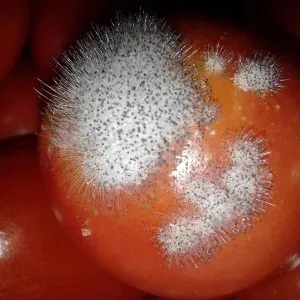
In the later stages of infection, the characteristic fluffy, greyish-white mycelium covers the surface. Numerous tiny black dots, which are the spore-bearing sporangia, become visible.
In floral crops like Gerbera Jamesonii, the infection typically targets the stem base or the receptacle, causing the stems to become limp and break, rendering the flowers unsellable.
During storage, the rot spreads quickly through contact, often referred to as "nesting." One infected fruit can spoil an entire container within a few days if left unchecked.
The affected area does not typically produce foul odors like bacterial soft rot, but it becomes completely liquefied, making it impossible to salvage any part of the fruit or plant.
Pathogen
The disease is caused by the fungus Rhizopus stolonifer, a member of the Zygomycota phylum. It is widely known as bread mold but acts as a significant pathogen on many living plant tissues.
The fungus produces a fast-growing, white, cotton-like mycelium that eventually develops black sporangia. These sporangia release millions of microscopic spores into the air.
These spores are ubiquitous in the environment, easily disseminated by wind, water splashes, and insects. They can remain viable for long periods, waiting for suitable conditions to germinate.
Once settled on a host, the fungus secretes powerful pectic enzymes that degrade cell walls, leading to rapid tissue disintegration. This process turns healthy plant matter into a liquid mush.
It is a broad-host-range pathogen, affecting everything from stone fruits and vegetables to ornamental flowers like the Gerbera Jamesonii, significantly damaging their economic value.
Conditions for development
Rhizopus rot thrives in warm, humid conditions. High relative humidity (above 80%) and temperatures between 20°C and 25°C are the ideal triggers for an outbreak.
Moisture on the surface of the plant tissue is essential for the fungal spores to germinate. This moisture can come from condensation, rain, or irrigation, providing the necessary window for infection.
Mechanical injury is the most common entry point for the fungus. Bruises, skin punctures, or insect damage compromise the plant's natural defenses, allowing the fungus to enter easily.
Poor ventilation in greenhouses or storage facilities leads to stagnant air and high humidity, which significantly increases the risk of rapid disease spread.
Prolonged storage of harvested goods at improper temperatures often leads to condensation, creating the perfect breeding ground for the pathogen to establish itself.
Why it matters
The economic impact of Rhizopus rot is devastating, primarily due to high postharvest losses. It is one of the most destructive diseases during transport and shelf life.
Beyond the physical destruction of the product, infected tissues may harbor fungal mycotoxins, making the produce unsafe for consumption or processing.
In the commercial floriculture industry, it leads to significant losses of high-value crops, as infected stems collapse and lose all ornamental quality.
Because the disease spreads so rapidly, a single infected plant or fruit can compromise an entire shipment, leading to massive financial losses for growers and retailers.
The pathogen's ability to survive in various environments makes it persistent, requiring strict management to keep levels low in production systems.
Protection
Sanitation is the cornerstone of control. Removing all plant debris from the field or greenhouse reduces the primary inoculum for future outbreaks.
Controlling the environment is critical: maintain good airflow and reduce humidity levels to prevent the formation of condensation on plant surfaces.
Careful handling during harvest is essential. Minimizing bruises and cuts significantly lowers the incidence of infection, as intact skin is a powerful barrier against the fungus.
Fungicide applications are most effective when used as a preventive measure on vulnerable crops, though they should be applied according to local regulatory guidelines.
- Improve ventilation to reduce humidity.
- Sanitize storage facilities and transport containers.
- Harvest during dry weather conditions.
- Implement proper crop rotation to break the pathogen cycle.
Pathogens and affected parts
Affects crops · 1
Discussion
No discussions yet — be the first.