
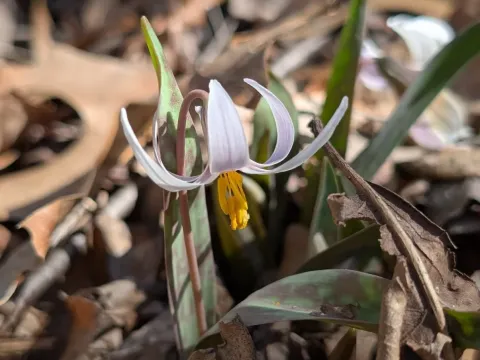
Erythronium
Erythronium L.
Propagation of Erythronium is primarily achieved through the division of offsets or bulbils that develop around the parent bulb during the dormant period.
What the section contains

Erythronium
The ideal time for planting is late summer or early autumn, which allows the bulbs to establish root systems before the ground freezes.
Seed propagation is possible, though it is a slow process that requires patience, as plants grown from seeds may take several years to reach maturity.
Seeds need a period of cold stratification to break dormancy, so they are often sown directly in the ground in autumn to experience natural winter cycles.
When planting, bulbs should be placed at a depth of 10 to 15 centimeters and spaced about 20 centimeters apart to allow sufficient airflow and development.
Erythronium belongs to the Liliaceae family and is recognized as a spring ephemeral, completing its growth cycle early in the year.
This crop thrives in cool, semi-shaded environments with well-draining, humus-rich soil that mimics the conditions of forest floors.
The plant is highly resilient to cold temperatures, making it a reliable perennial for gardeners and growers in colder climates.
Consistent moisture is necessary during the active growing season, but the soil must be well-draining to prevent root rot in dormant bulbs.
Maintaining a weed-free area is crucial for the health of the plants, requiring regular but gentle cultivation to avoid damaging shallow root systems.
Fungal infections, such as bulb rot and various types of mold, are the primary threats to Erythronium, especially in wet or poorly drained soils.
Pests such as voles, mice, and other rodents pose a significant risk, as they are attracted to the nutrient-dense bulbs during the winter months.
Good agricultural practices, such as selecting healthy bulbs for planting and ensuring proper drainage, are essential for preventing disease outbreaks.
Using protective wire mesh or organic deterrents can help safeguard the crop from animal damage during the dormant season.
Regular inspection of the foliage for signs of chlorosis or wilting helps in identifying early stages of disease, allowing for prompt remedial action.
Beyond its ornamental value, certain species of Erythronium have been historically harvested for their starchy bulbs, which are nutritious and edible.
The harvesting of bulbs occurs once the foliage has turned yellow and dried, indicating that the plant has entered its dormant state.
Once harvested, bulbs should be handled with care to prevent bruising, cleaned of excess soil, and stored in a cool, dry place to prevent moisture loss.
Storage in peat or slightly damp wood shavings can help maintain the viability of the bulbs until they are ready to be replanted or used.
Professional cultivation emphasizes the importance of sustainable harvest practices to ensure that the population of the crop remains robust year after year.