
Dutch lily
Lilium hollandicum
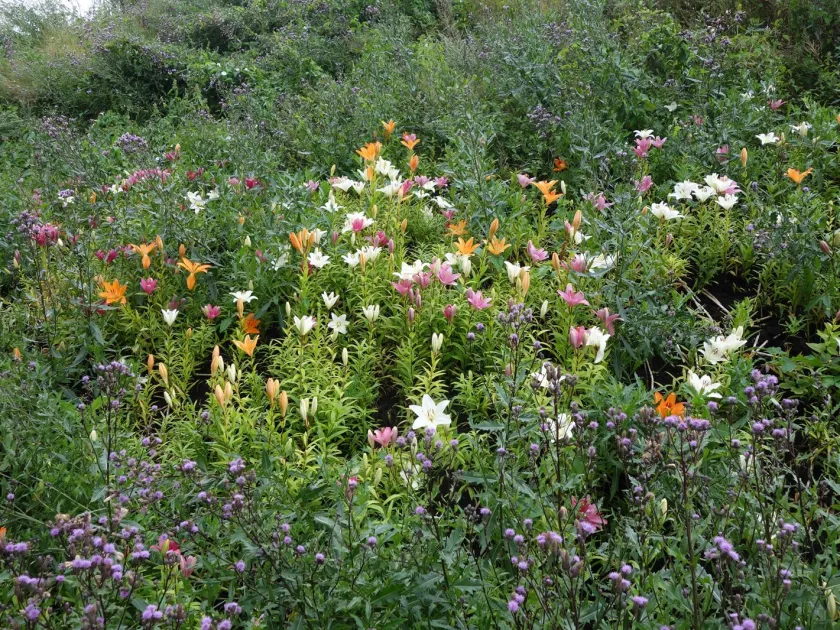
Description
Sowing dates
Planting the Dutch lily is traditionally performed in the autumn season when the soil temperature drops to 10–12 degrees Celsius. The optimal window is September or early October, allowing bulbs to establish root systems before the onset of hard frost.
For spring planting, field operations should commence as soon as the ground thaws, although flowering in the current season may be less prolific. In commercial farming, maintaining the correct planting depth—typically three times the bulb's diameter—is crucial for development.
Spacing between plants is determined by future vegetative propagation needs, usually requiring 20–30 centimeters. Proper timing ensures the development of a robust root system, which is a prerequisite for the crop's winter hardiness.
To enhance growth rates, pre-planting treatment of bulbs in fungicide solutions is recommended. This minimizes the risk of rot during the early stages of vegetation when soil moisture levels are high.
The planting site should be chosen in sunny, sheltered areas as tall stems are prone to lodging. Planting material must be of high quality, free from mechanical damage, soft spots, or signs of mold.
Growing requirements
The culture belongs to the Liliaceae family and thrives in well-drained, fertile soils with a neutral or slightly acidic pH. Waterlogging is fatal to this species, making the addition of sand or gravel essential for heavy loamy soils.
The Dutch lily is a hybrid member of garden flora characterized by high light requirements. In conditions of insufficient light, stems tend to become brittle, and the total number of buds is significantly reduced.
During the active growth phase, plants require regular irrigation, although excessive moisture often leads to bulb rot. Drip irrigation is highly recommended to prevent water contact with foliage and to maintain stable soil conditions.
Agronomic management includes systematic application of mineral fertilizers, specifically potassium-phosphorus blends during the budding stage. Nitrogen application should be restricted to early spring to promote green mass growth.
Temperature management is critical for success, with many varieties requiring mulching during winter. Materials like peat, humus, or pine branches provide the necessary thermal insulation to protect the root zone.
Main diseases and pests
The primary threat to lily plantations comes from fungal pathogens such as Botrytis (gray mold) and Fusarium. Immediate removal of affected specimens and treatment with copper-based fungicides are necessary upon the first signs of infection.
A typical pest is the lily beetle (Lilioceris lilii), which can destroy foliage in a very short period. Regular crop monitoring and timely application of systemic insecticides are required to keep pest populations under control.
Root systems are frequently damaged by bulb mites, which thrive when storage conditions are poor or soil temperatures are too high. Crop rotation remains the best preventative measure against soil-borne pests.
Viral diseases, such as lily mosaic, are incurable, necessitating the immediate destruction of infected plants. Controlling vector insects like aphids is an essential part of an integrated pest management strategy.
- Implement strict quarantine measures for new bulb stock.
- Regular disinfection of farming tools.
- Monitor soil moisture levels around the root neck constantly.
Harvesting
Cutting the flower stems for commercial use should be done when the first bud begins to show color but has not yet opened. This ensures maximum vase life and ease of transport for the cut flowers.
When harvesting bulbs, the process should occur after the aerial parts have completely yellowed. This usually happens 4–6 weeks after flowering finishes, allowing the bulb to store essential nutrients for the next cycle.
Harvested bulbs must be cleaned of soil, dried in a shaded, well-ventilated area, and sorted by size. This stage is critical for maintaining the quality and value of the planting stock.
Storage is conducted at low positive temperatures in a substrate with moderate humidity. Ensuring the basal plate remains intact and hydrated is vital for the bulb's future viability.
Large-scale operations require mechanized digging to minimize mechanical damage to the bulb tissue. Damaged bulbs must be separated immediately as they are prone to rapid decay during storage.