
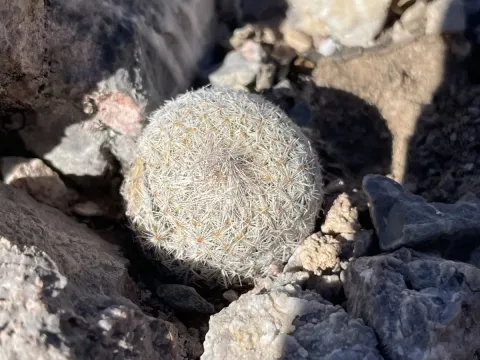
Epithelantha
Epithelantha
Propagating Epithelantha is typically achieved through seeds, as this genus is known for its slow growth habit and lack of offsets in many species.
What the section contains


Epithelantha
Seeds should be sown in early spring into a well-draining, gritty mineral substrate that ensures proper aeration and prevents waterlogging of the delicate seedlings.
A stable temperature range between 22 and 26 degrees Celsius is essential for successful germination, combined with consistent, indirect lighting.
Seedlings remain very small for several months; therefore, they should be left in the sowing tray until they reach a sufficient size to handle transplanting.
The use of a fungicide during the seedling stage is highly recommended to protect the young plants from common soil-borne pathogens and damping-off diseases.
Epithelantha belongs to the Cactaceae family and is recognized for its small, globular stems densely covered in tiny, spine-like structures that provide protection from the sun.
Native to the arid regions of northern Mexico and parts of the United States, these cacti require full sun to maintain their natural, compact shape and healthy growth.
The soil must be highly porous, typically composed of a mix of coarse sand, crushed granite, and a small portion of potting soil or pumice for drainage.
Watering requires strict discipline; during the growing season, wait for the substrate to dry completely before watering, and strictly withhold water during winter dormancy.
Temperature control is critical, especially during winter, when the plants should be kept cool but dry to initiate the flowering process during the spring season.
The most significant threat to these cacti is root rot caused by poor drainage and overwatering, which can cause irreparable damage to the root system.
Mealybugs are the most common pests that thrive in the dense spination, making them difficult to detect and treat without manual intervention.
Spider mites can also be problematic if the humidity levels drop significantly for an extended period, leading to unsightly scars on the cactus skin.
Maintaining proper airflow is the most effective preventative measure against both fungal and pest attacks in a greenhouse or collection environment.
- Consistent inspection of the stem surface.
- Usage of systemic insecticides for pest control.
- Implementing dry storage during the winter period.