
Description
Sowing dates
Melon (Cucumis melo L.) is a warm-season crop belonging to the Cucurbitaceae family. Direct sowing into open ground should only occur once soil temperatures reach 15°C (59°F) at a depth of 10 cm, typically in late spring.
For regions with shorter summers, the seedling method is preferred. Seeds are sown in peat pots 30–35 days before the intended planting date to avoid root disturbance during transplanting.
Spacing is vital for healthy growth. A typical arrangement involves rows 70–140 cm apart with plants spaced 50–70 cm within each row to ensure adequate airflow.
In warm climates, seeds are sown directly into hills or raised beds, while in cooler zones, black plastic mulch is used to warm the soil and suppress early-season weeds.
Seed depth should be approximately 3–5 cm. Deep planting in heavy or cold soil can significantly delay germination and increase the risk of seed decay.
Growing requirements
Melons have high light and heat requirements. They thrive in temperatures between 25°C and 30°C (77–86°F); temperatures below 15°C will cause growth to stagnate significantly.
The ideal soil for melons is a well-drained, fertile sandy loam with a neutral to slightly alkaline pH (6.0–7.0). High organic matter content promotes strong vegetative development.
While the crop is somewhat drought-tolerant once established, consistent moisture is necessary during the flowering and fruit-set stages to ensure proper development.
Waterlogging must be avoided at all costs. Excessive moisture often leads to root rot and other soil-borne diseases that can devastate the crop yield.
Sunlight is critical. Fields must be fully exposed to the sun throughout the day, as even partial shade can drastically reduce sugar content and overall fruit size.
Main diseases and pests
Common pests include melon aphids, spider mites, and seedcorn maggots. Note that pests such as the Large White (Cabbage) butterfly, pea weevil, European corn borer, flea beetles, alfalfa weevil, cereal leaf beetle, or the bread beetle (Anisoplia austriaca) are not primary threats to melons as they target different host families.
Fungal diseases like powdery mildew, Fusarium wilt, and anthracnose are the primary concerns, especially in humid conditions or areas with poor air circulation.
Effective management begins with rigorous crop rotation. Melons should never follow other cucurbits; the best predecessors are small grains, onions, or cabbage.
Integrated Pest Management (IPM) practices, including the use of resistant hybrids and consistent field scouting, are essential for keeping disease levels manageable.
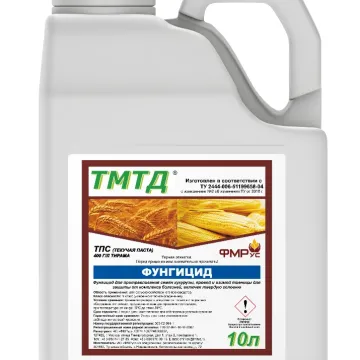
Application of fungicides should be reserved for periods of high disease pressure, always strictly adhering to safety intervals before harvesting the fruit.
Harvesting
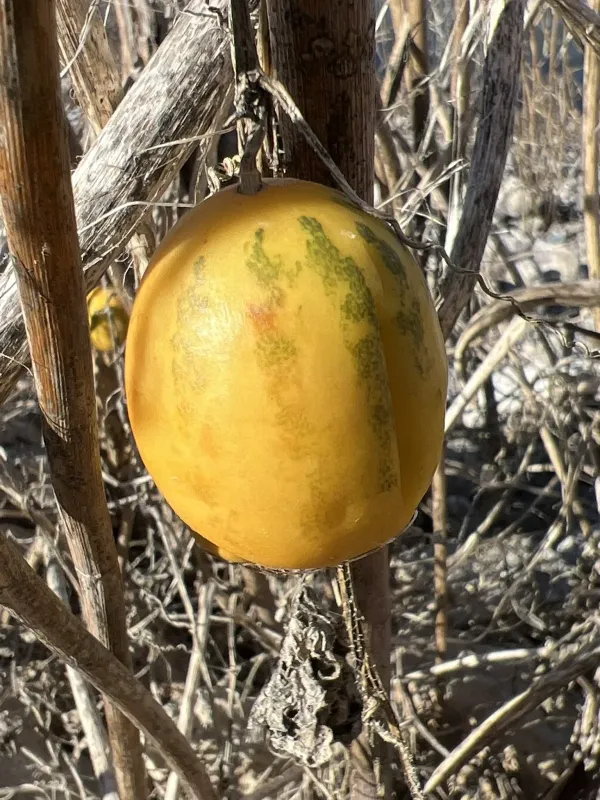
Harvest timing is determined by the development of the fruit’s specific aroma, changes in skin color, and the ease with which the fruit separates from the vine.
If the melons are intended for storage or transport, they should be harvested just before full ripeness, retaining a small portion of the stem (peduncle).
Careful handling is required during harvest. Any bruising or skin breakage significantly shortens shelf life and invites post-harvest pathogens to colonize the fruit.
Post-harvest curing in a dry, ventilated area for a day or two helps seal small surface wounds and improves the overall quality of the melon rind.
For storage, melons should be kept in a cool environment (5–8°C) with moderate humidity, ensuring they are not stacked too high to prevent mechanical injury.
In brief
12
Crop pests
Content graph
Crop pests · 12
Content graph
Connections · Melon
Most often together:
Marketplace
Products · 7
All 7
Melon 35
Herbicides, Desiccants 22
Insecticides, Acaricides 13
Plant Growth Regulators 8
Fungicides 7
Fertilizers 5


Bayleton 25 z.p.
фірмі Байєр КропСаєнс АГ, м.Франкфурт, Німеччина
Fungicides
0
0
·
48
1 offer
28 €per 1 l
Buy


