
Cucumber
Cucumis sativus L. var. sativus
Description
Sowing dates
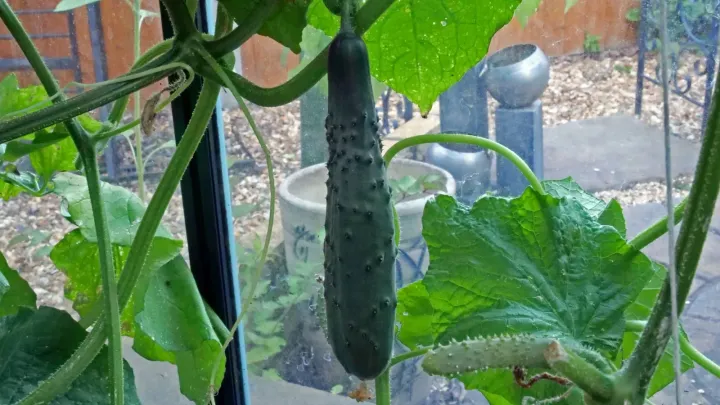
Cucumber (Cucumis sativus L. var. sativus) is a widely cultivated plant of the Cucurbitaceae family. It is a tender, annual vine that requires warm weather for optimal germination and vegetative development.
Direct seeding in open fields should occur only when soil temperatures consistently reach at least 15°C (59°F). Planting in cold soil can lead to seed rot and stunted growth.
For greenhouse or early-season production, seeds are often started in trays 3 to 4 weeks before the anticipated last frost. Cucumbers have delicate roots and are best transplanted with minimal disturbance to the root ball.
Optimal spacing depends on the training method, whether grown horizontally on the ground or vertically on trellises. Vertical cultivation is preferred for higher yield and disease prevention.
The selection of the variety (slicing, pickling, or greenhouse types) should align with the growing environment and market requirements, as growth habits vary significantly between these groups.
Growing requirements
Cucumbers thrive in temperatures between 22°C and 28°C (72–82°F). Exposure to temperatures below 10°C (50°F) can cause chilling injury, leading to tissue damage and reduced vigor.
Well-drained, fertile soil rich in organic matter is essential. The ideal pH range is 6.0 to 7.0, which allows for optimal nutrient uptake and promotes healthy root development.
Water management is critical. Consistent soil moisture is required, as moisture stress during the flowering and fruit-setting stages can result in bitter-tasting or misshapen fruits.
High relative humidity is generally preferred, but adequate airflow is necessary to prevent the development of foliar diseases like downy and powdery mildew.
Sunlight exposure is crucial; while the plant requires full sun for maximum productivity, some shade in extreme heat conditions may help prevent foliage burn in hot climates.
Yield
Crop yields vary depending on the growing system. Commercial greenhouses using hydroponics and high-yielding parthenocarpic hybrids can produce over 30 kg per square meter.
In open-field production, typical yields range from 5 to 15 kg per square meter, influenced by local soil quality, fertility management, and regional climatic conditions.
Regular fruit removal is key to sustained production. If mature fruits are left on the vine, the plant reduces its energy expenditure on producing new flowers and smaller fruits.
Balanced nutrition, including nitrogen for foliage growth and potassium for fruit development, is essential during the active blooming and harvest seasons.
Pollination success, for non-parthenocarpic varieties, is heavily dependent on bee activity or manual intervention, which can significantly influence fruit set rates.
Main diseases and pests
Downy mildew and powdery mildew are the most prevalent fungal diseases, causing rapid leaf senescence and requiring vigilant monitoring and fungicide applications.
Root rot and vascular wilts, often caused by Fusarium or Pythium, are common in poorly drained soils and can cause irreversible damage to the vascular system of the vine.
Key insect pests include aphids, spider mites, and the greenhouse whitefly. These insects not only extract sap but also act as vectors for various plant viruses.
Integrated Pest Management (IPM) strategies, including the use of resistant cultivars, crop rotation, and beneficial insects, are recommended to maintain plant health.
Sanitation practices, such as the prompt removal of infected plant debris and disinfecting tools, play a vital role in preventing the spread of diseases within the crop.
Harvesting
Harvesting is typically performed by hand. Regular and frequent harvesting, often daily, is necessary to maintain quality and prevent the fruits from becoming over-mature.
The best time for harvest is early morning when the fruits are cool and have high turgor pressure, which improves both shelf life and market appearance.
Using a sharp tool to cut the fruit stem rather than pulling it prevents injury to the main vine and reduces the risk of wound-entry points for fungal infections.
Post-harvest handling must include rapid cooling and storage at 10–13°C (50–55°F). Cucumbers are sensitive to cold storage temperatures below 10°C, which can cause internal pitting.
Market standards require uniform, firm, and blemish-free fruit. Post-harvest sorting ensures that produce meets specific size requirements for culinary or industrial processing.