
Fig-leaved cucumber
Cucumis ficifolius A. Rich.
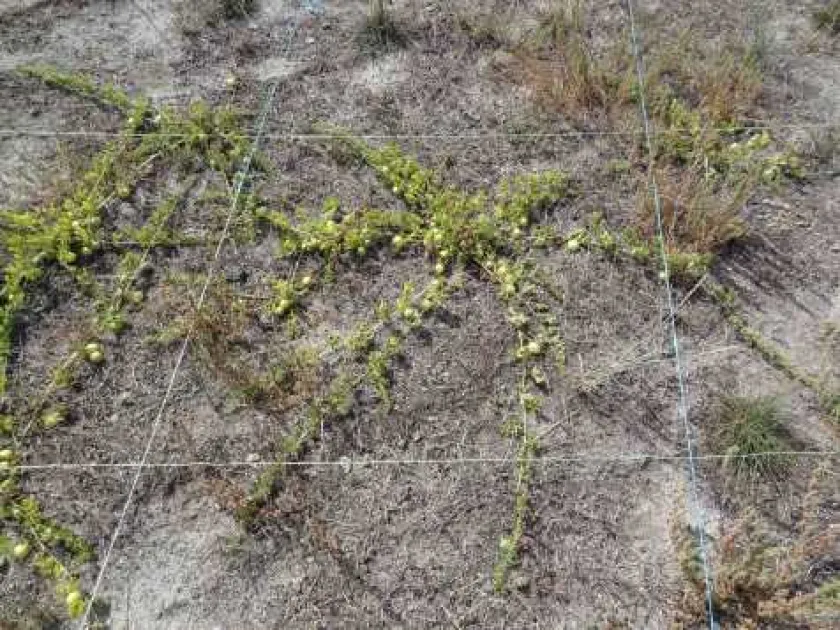
Description
Growing requirements
The Fig-leaved cucumber (Cucumis ficifolius A. Rich.) is a distinct member of the Cucurbitaceae family. It is recognized for its unique, deeply lobed foliage that resembles the leaves of a fig tree, distinguishing it from common commercial cucumber varieties.
Native to the tropical regions of East Africa, particularly Ethiopia, this perennial climber is adapted to warm, sunny environments. It thrives in climates where temperatures remain consistently high throughout the growing season, showing little tolerance for frost or chilly weather.
To successfully cultivate Cucumis ficifolius, one must provide well-draining soil rich in organic matter. The plant demands full sunlight to facilitate vigorous growth and flower development, making it suitable primarily for greenhouse cultivation in temperate latitudes.
Agricultural practices involve the use of trellising or supports, as the plant exhibits a scrambling habit. Proper irrigation is crucial; while the plant requires consistent moisture, the root zone must not become waterlogged to prevent physiological disorders.
The economic role of the Fig-leaved cucumber is largely academic and scientific. It serves as an important genetic repository for researchers interested in exploring resistance traits within the genus Cucumis for future crop improvement.
Main diseases and pests
Like many species in the Cucurbitaceae family, this plant is vulnerable to common fungal diseases such as powdery mildew and downy mildew, especially in environments with high relative humidity and poor air circulation.
Pest management is a critical aspect of growing this plant. Major threats include the two-spotted spider mite and the melon aphid, which can cause significant yellowing and wilting of the foliage if left uncontrolled.
Cultural control measures, such as maintaining proper plant spacing and ensuring adequate airflow, are the primary defenses against disease. These practices reduce the microclimate humidity that fungi require to thrive.
If chemical interventions are necessary, they should be applied judiciously, favoring biological controls or narrow-spectrum pesticides to minimize negative impacts on beneficial insects and the surrounding environment.
Vigilance and early detection are essential. Regular scouting of the leaves, especially the undersides, allows for the prompt identification and management of pest infestations before they spread across the entire canopy.