
African cucumber
Cucumis africanus L. f.
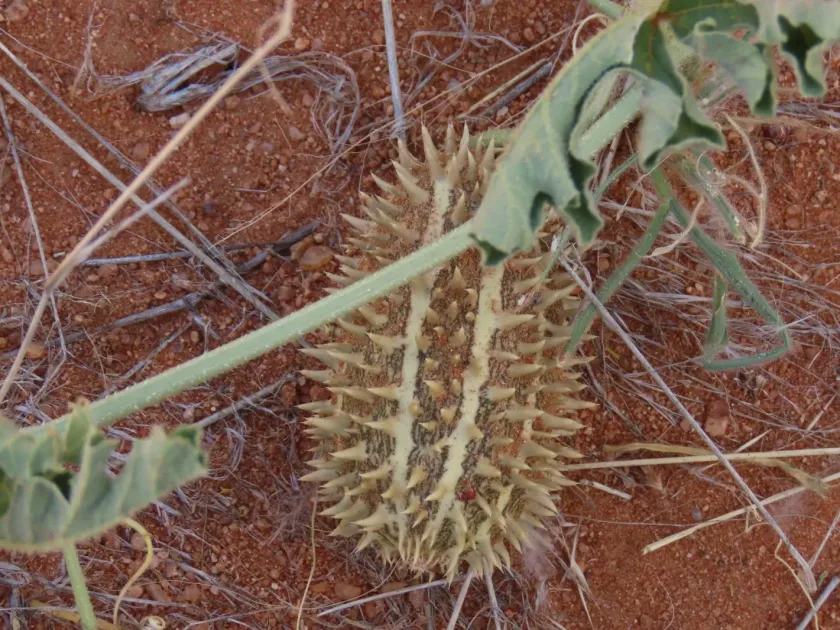
Description
Sowing dates
The African cucumber is a thermophilic crop belonging to the Cucurbitaceae family, requiring consistent warm temperatures throughout its growing cycle.
For regions with shorter summers, it is essential to start seeds indoors in well-draining pots roughly four to six weeks before the last expected frost date.
Seeds should be sown at a depth of 2 to 3 centimeters, using a sterile, nutrient-rich potting medium to ensure a healthy and rapid germination process.
Once seedlings have developed two true leaves, they require abundant light exposure to prevent legginess and to encourage a strong, sturdy stem structure.
Transplanting into the permanent location must be done with extreme care to avoid disturbing the fragile root system, which is a common stress factor for all Cucumis species.
Growing requirements
This species thrives in locations with full sun exposure, requiring at least six to eight hours of direct sunlight daily for optimal fruit set and quality.
Soil composition must be sandy loam or well-aerated organic soil, as the plant is highly intolerant to waterlogging, which often leads to root collar rot.
Temperature management is critical; the crop flourishes when day temperatures range between 25 and 30 degrees Celsius, with no frost exposure permitted.
Providing a trellis system is highly recommended for commercial production to maximize air circulation and reduce the physical contact between fruits and soil.
Consistent moisture is key, but it must be managed through precise irrigation scheduling to keep the soil consistently moist but never waterlogged or saturated.
Main diseases and pests
Fungal pathogens such as powdery mildew represent the most significant threat to the foliage, especially in environments with stagnant air or high humidity levels.
Pest management is focused on common greenhouse invaders, particularly spider mites and aphids, which can proliferate rapidly if the plants are stressed by heat.
Root-knot nematodes can also be a hidden threat in certain soil types, necessitating the use of resistant rootstocks if the land has a history of infestation.
Implementation of a rigorous integrated pest management strategy is necessary to maintain crop health without the excessive use of harsh synthetic pesticides.
- Sanitization of all growing equipment and greenhouse structures annually.
- Regular monitoring for early signs of chlorosis or abnormal leaf spots.
- Proper spacing to allow for adequate ventilation and leaf drying.