
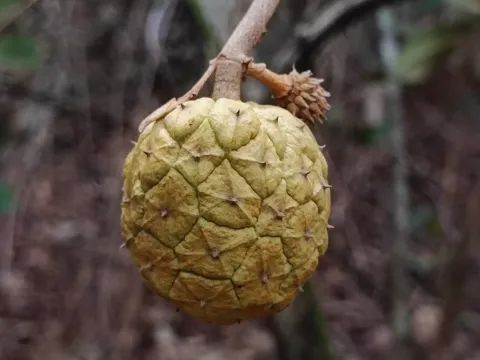
Duguetia
Duguetia
Duguetia is a genus of trees and shrubs belonging to the Annonaceae family. These plants are native to the tropical rainforests of Central and South America, where they thrive in warm and humid environments.
What the section contains


Duguetia
The climate requirements for Duguetia are strict; the species is not frost-tolerant and requires consistently warm temperatures throughout the year to maintain vegetative growth.
Soil quality is paramount for the health of Duguetia. The plants perform best in deep, fertile, and well-drained soils. Poor drainage can quickly lead to root decay and overall plant failure.
While mature trees can tolerate some sunlight, Duguetia generally prefers partial shade, mimicking its natural habitat beneath the tropical canopy. Protection from harsh, direct sunlight is essential for younger saplings.
Consistent moisture is required for the plant's development. Irrigation management should ensure that the soil remains moist but never waterlogged, particularly in heavy clay soils where drainage is suboptimal.
The primary agricultural interest in Duguetia lies in its fruit, which is often edible and appreciated for its unique flavor. Additionally, certain species are valued for their timber properties.
Yielding starts after a maturation period, typically ranging from 5 to 8 years depending on the specific species and local environmental conditions. Proper management can accelerate fruit onset.
The fruits develop directly on the branches or trunks. Because they are often soft, the yield per tree is measured by careful hand collection to avoid bruising, which significantly lowers the market value.
Fertilization with balanced organic matter supports higher yields. By providing essential nutrients, farmers can improve fruit size and the total number of fruits produced per season.
Pruning is a crucial technique for maximizing productivity. By opening up the canopy, more light reaches the inner branches, which stimulates the growth of new flower buds and improves fruit set.
Duguetia faces pressure from various insect pests, including beetles and aphids that target young leaves and tender growth. Regular field inspections are necessary to identify these threats early.
Root rot is the most significant disease threat to Duguetia, usually caused by poor drainage or overwatering. Once roots are compromised, the plant shows symptoms of stunted growth and leaf drop.
Fungal diseases like anthracnose can become problematic during prolonged periods of rain and high humidity. These infections cause spotting on foliage and can lead to fruit spoilage.
Integrated pest management (IPM) is recommended to control populations of harmful insects without disrupting the local ecosystem. Maintaining plant hygiene is a critical preventive measure.
Removing dead wood and thinning dense foliage helps to improve air circulation within the tree, which is a highly effective way to reduce the incidence of fungal pathogens.
Harvesting Duguetia requires significant manual effort. Because the fruit is delicate, it must be harvested by hand to ensure the skin remains intact for storage and sale.
The timing of the harvest is determined by the color and scent profile of the fruit. Since ripening does not occur uniformly, the orchard must be visited multiple times to collect all mature produce.
Storage life is very short, which is a major challenge for the commercial distribution of Duguetia fruits. Immediate transport and cool storage are necessary to minimize losses.
Handling during transport should be done using protective crates to prevent impact damage. The delicate nature of the fruit makes it ill-suited for long-distance, high-speed logistics.
Post-harvest classification involves sorting fruits based on their appearance and ripeness level. This ensures that the high-quality produce reaches the consumer in the best possible condition.