
Duguetia lanceolata
Duguetia lanceolata
Description
Growing requirements
Duguetia lanceolata is a species of evergreen tree belonging to the Annonaceae family. This tree is native to the tropical regions of South America, primarily flourishing within the diverse ecosystems of the Brazilian Atlantic Forest.
The tree thrives in tropical climates where temperatures remain consistently high throughout the year. It requires a stable environment without the threat of frost, as it is highly sensitive to cold weather conditions and fluctuating temperatures.
Soil requirements focus on deep, fertile, and well-drained substrates. The species is intolerant of waterlogging, which necessitates careful site selection or the implementation of raised beds in areas with heavy or clay-based soils.
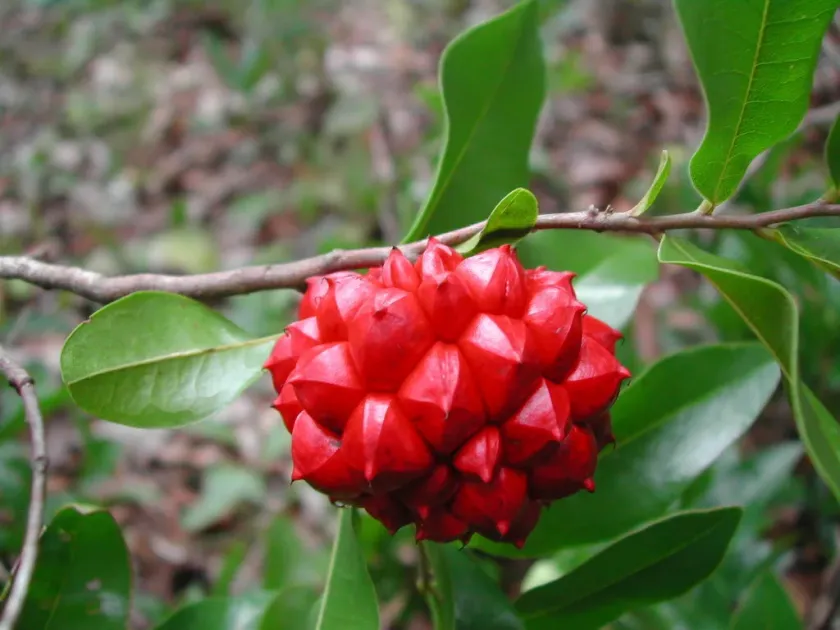
Botanically, it features distinct lanceolate leaves and aggregate fruits that are characteristic of the Annonaceae family. The tree is known for its relatively straight growth habit when cultivated in appropriate forest-like density.
Young plants benefit significantly from partial shade, mimicking their natural habitat under the forest canopy. As they mature, they can tolerate more direct exposure, but early protection is crucial for establishing a robust root system.
Yield
The primary agricultural use of Duguetia lanceolata is timber production. The wood is highly valued for its durability and structural strength, making it an excellent material for carpentry and tool handle manufacturing.
Sustainable yield depends on proper spacing and silvicultural management. By thinning out weaker specimens, foresters can ensure that the remaining trees receive sufficient light and nutrients to reach commercial maturity.
The fruit of the Duguetia lanceolata is edible and holds local importance. Although it is not currently a mass-produced commercial crop, its potential for inclusion in agroforestry systems adds to the tree's overall economic value.
Pruning is an essential technique for improving wood quality. By removing lower branches and controlling the tree's architecture, growers can maximize the length of clear, knot-free timber logs.
Harvesting strategies should be based on a multi-decade plan. With consistent management and attention to growth rates, the tree provides a reliable long-term source of woody biomass and secondary fruit products.
Main diseases and pests
The most significant threat to Duguetia lanceolata is root rot, which typically develops in poorly drained soils during prolonged wet spells. Ensuring proper soil aeration is the most effective preventative measure against this pathology.
Pests, particularly wood-boring insects, represent a major concern for plantation health. These insects can tunnel into the trunk, significantly compromising the structural integrity and market value of the harvested timber.
Fungal leaf spot diseases can emerge in high-humidity environments, leading to premature defoliation. Regular monitoring and the application of fungicides, when necessary, are standard practices to prevent widespread infection.
Competition from invasive weeds can stunt the growth of young trees by robbing them of essential nutrients and water. Maintaining clean cultivation rows is critical for the first several years of the plant's development.
Integrated Pest Management (IPM) protocols are recommended to manage these threats. This includes encouraging natural predators and ensuring that any diseased or infested biomass is immediately removed from the field.