
Duguetia odorata
Duguetia odorata
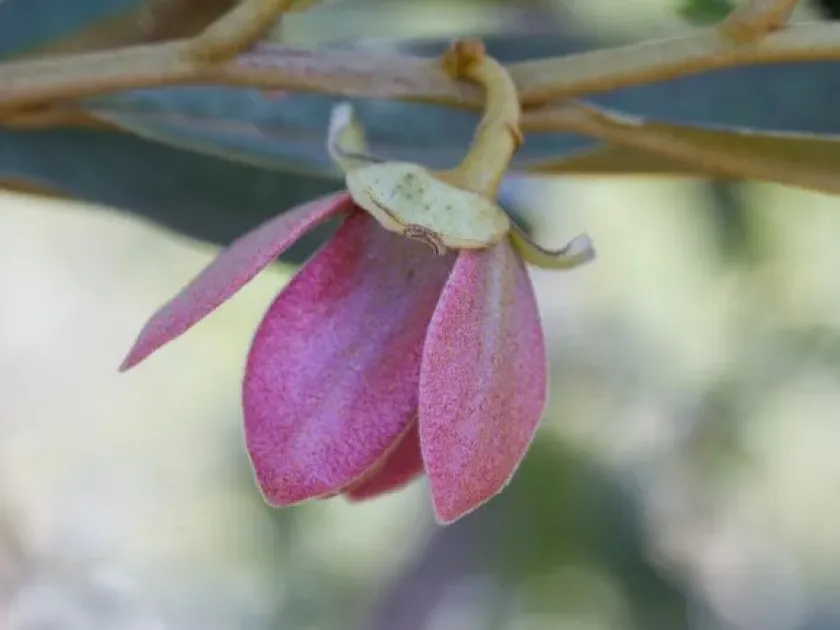
Description
Growing requirements
Duguetia odorata is a tropical tree species belonging to the Annonaceae family. It is native to the rainforests of South America, typically found in humid, dense forest environments where it thrives in shaded conditions.
This plant requires a strictly tropical climate to flourish. It cannot tolerate cold temperatures or frost, making it suitable only for regions that maintain high temperatures throughout the year.
Soil requirements for Duguetia odorata include high organic content, good drainage, and a slightly acidic to neutral pH level. It performs best in forest soils that are rich in decomposing plant matter.
The cultivation of this species involves managing light exposure carefully. While adult trees can tolerate partial sun, young plants require significant shading to avoid leaf scorching and stress.
Water management is critical for the healthy growth of Duguetia. Consistent moisture is necessary, but the soil must never become waterlogged, as the roots are highly susceptible to rot under anaerobic conditions.
Harvesting
Harvesting Duguetia odorata fruit is a manual process, as the fruit is delicate and requires careful handling to avoid bruising. The harvest period usually follows the flowering season, once the fruit develops its signature fragrance.
The fruit of this species is highly valued for its aromatic qualities and is consumed primarily by local populations. It is often incorporated into regional culinary practices as a seasonal treat.
Beyond its fruit, the tree is recognized for its medicinal potential. Various parts of the plant, including the leaves and bark, are studied for their chemical compounds and potential antimicrobial properties.
The timber of Duguetia trees is known for its durability and flexibility. It is utilized in local construction projects and for crafting handmade tools, highlighting the multifaceted economic role of the plant.
Due to the perishable nature of the fruit, logistics are limited. Most of the production is consumed locally or processed immediately into extracts or jams to preserve the unique flavor profile.