
Duguetia salicifolia
Duguetia salicifolia
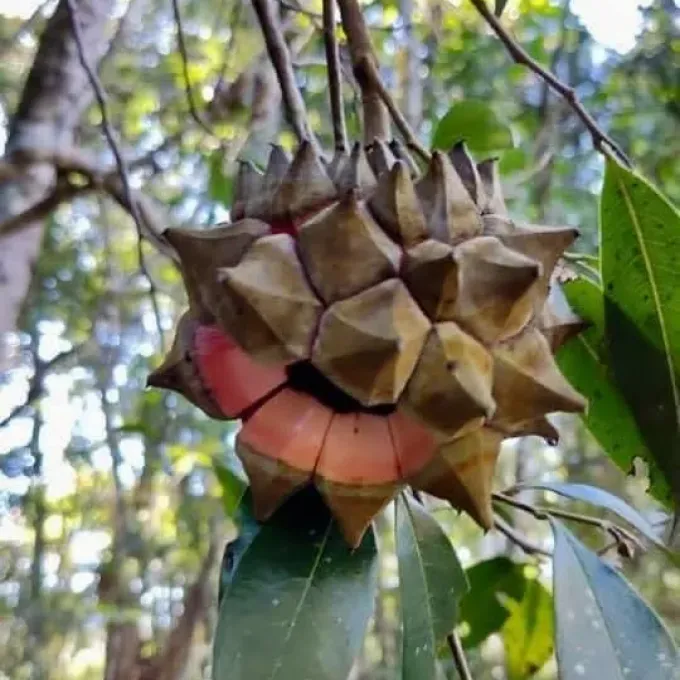
Description
Growing requirements
Duguetia salicifolia is a distinctive tropical tree belonging to the Annonaceae family, native to the humid forests of South America. It is recognized for its slender, willow-like leaves that provide the species with its scientific name.
The plant thrives in tropical environments characterized by consistent warmth and high humidity. It is strictly a frost-sensitive species, making it unsuitable for regions with temperatures dropping below moderate levels for extended periods.
Ideal soil conditions for this crop include well-drained, nutrient-rich substrates with a slightly acidic to neutral pH. Proper soil structure is essential to prevent root asphyxiation, which can occur if the soil remains waterlogged for too long.
Regarding light exposure, younger Duguetia specimens often require partial shade to mimic the forest understory environment. As they mature, they become more tolerant of direct sunlight, which is necessary for optimal flower bud induction.
Agronomic management involves regular monitoring for soil nutrient deficiencies and maintaining a consistent moisture supply. Mulching is highly recommended to regulate soil temperature and retain moisture in the upper root zone.
Harvesting
The harvest period is determined by the fruit's color and texture changes. Harvesting requires careful handling, as the fruits are typically soft when mature and susceptible to bruising during transit or storage.
The fruits serve as a locally significant food source, valued for their sweet flavor and soft pulp. They are processed into various artisanal products, including pulps for beverages and ice creams, contributing to local food biodiversity.