
Duguetia furfuracea
Duguetia furfuracea
Description
Sowing dates
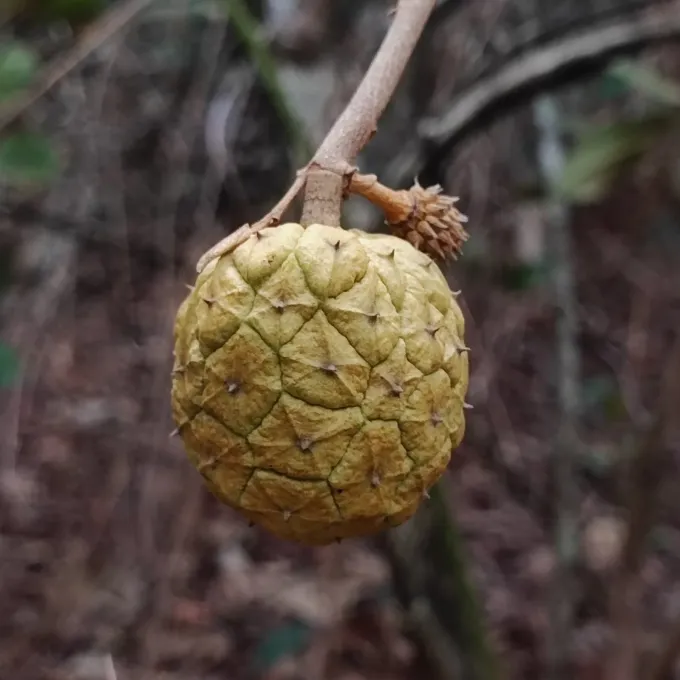
Duguetia furfuracea is a woody shrub belonging to the Annonaceae family, native to the savanna regions known as Cerrado in Brazil.
Propagation is primarily achieved through seeds, which often require scarification or specific hydration treatments to break dormancy and ensure uniform germination.
Seedlings should be cultivated in containers for several months before being transplanted into their permanent location during the start of the rainy season.
Proper plant spacing is critical; a distance of at least three to four meters between rows allows for adequate canopy development and easier manual access.
The optimal germination temperature lies between 25 and 30 degrees Celsius, requiring a stable tropical greenhouse or nursery environment for initial development.
Growing requirements
The plant thrives in well-drained, acidic soils, showing a remarkable ability to survive in nutrient-poor environments typical of tropical plateaus.
Full sun exposure is an essential requirement, as the species is highly sensitive to shading, which can significantly inhibit its growth rate and flowering cycle.
While Duguetia furfuracea is drought-tolerant once established, providing consistent irrigation during the first two years of growth is highly beneficial for productivity.
Soil aeration is critical for this species; heavy or compacted soils that retain excessive moisture can lead to rapid root decline and plant failure.
The species prefers stable tropical climates with minimal variation in temperature throughout the year, avoiding regions prone to heavy frost.
Yield
The economic value of this crop is largely driven by its bark and fruit, which are widely researched for their bioactive compounds, including alkaloids and terpenes.
Sustainable harvest of the bark is a primary production objective, requiring careful management to ensure the shrub remains viable for future yield cycles.
Commercial yields typically reach maturity approximately five years after planting, after which the shrub can produce regular harvest cycles for several years.
In addition to pharmacological use, the fruits and extracts are increasingly explored for the production of organic beauty products and dietary supplements.
Regular maintenance, including selective pruning of dead or diseased wood, ensures higher productivity and better quality of the harvested materials.
Main diseases and pests
The plant is generally resilient, but excessive humidity can lead to fungal pathogens, particularly affecting the leaves and the base of the stem.
Pest pressure is usually manageable, with occasional outbreaks of leaf-eating insects that can be controlled through integrated pest management techniques.
Root rot is the most significant threat, particularly in poorly managed plantations where irrigation levels are not calibrated to the drainage capacity of the soil.
Maintaining biological diversity around the plantations helps to naturally suppress common pests without the need for intensive chemical applications.
Constant vigilance for signs of nutritional deficiencies or systemic infection allows for timely intervention, protecting the longevity of the plant population.