
Duguetia confinis
Duguetia confinis
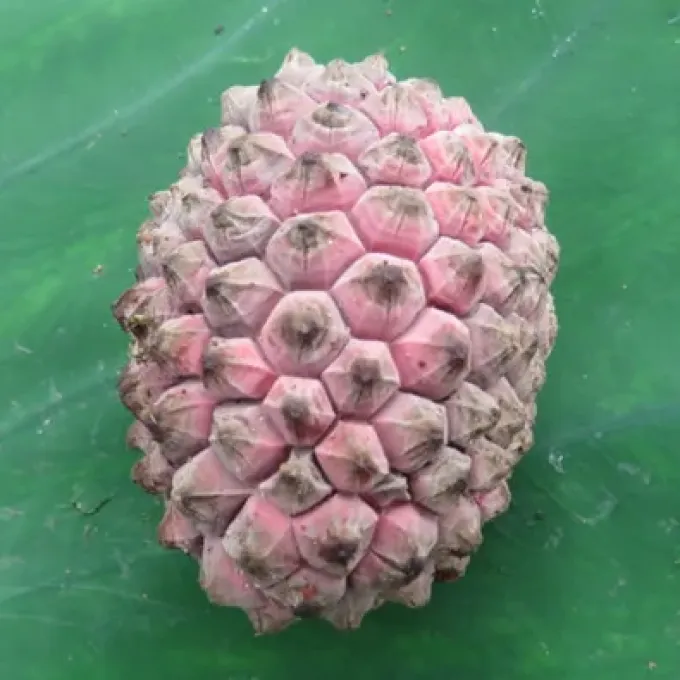
Description
Growing requirements
Duguetia confinis is a notable species within the Annonaceae family, native to tropical regions of South America. It typically grows as a small to medium-sized evergreen tree.
The plant thrives in tropical climates characterized by high average temperatures and high humidity levels throughout the year, as it is highly sensitive to cold stress.
Optimal soil conditions for this crop include deep, well-draining, and nutrient-rich soils. It is essential to avoid sites with poor drainage, as root rot is a common issue in saturated soils.
In terms of light exposure, the tree prefers full sun to light shade. Adequate light intensity is required to support the energy-intensive process of fruit production.
Regular maintenance involves organic mulching to preserve soil moisture and provide a steady supply of nutrients, mimicking the natural forest litter environment.
Harvesting
The fruit of Duguetia confinis is the primary agricultural product of the species, valued for its unique taste profile typical of many Annonaceae fruits.
Harvesting should be performed manually to ensure the integrity of the fruits, which are soft when fully ripe and highly susceptible to bruising.
Determining the harvest time is based on external color changes and the softening of the fruit texture, which indicates the peak stage for consumption.
Post-harvest handling is critical due to the short shelf life of the ripe fruit; efficient logistics are needed to maintain quality for the consumer.
While primarily consumed fresh, the fruits offer potential for processed food applications, such as pulps or juices, within its native geographic range.