
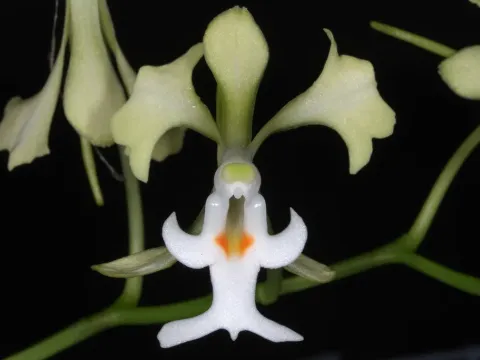
Cryptopus
Cryptopus
Cryptopus is a genus of epiphytic plants belonging to the orchid family (Orchidaceae). These plants are primarily native to the tropical forests of the Indian Ocean islands, specifically Madagascar and Réunion.
What the section contains

Cryptopus
In their natural environment, these orchids thrive in conditions characterized by high air humidity and filtered, bright light. As epiphytes, they anchor themselves to tree trunks and branches, utilizing them for structural support without relying on the host for nutrients.
Successful cultivation in domestic or greenhouse settings requires replicating these tropical conditions. Ensuring adequate airflow to the root system is essential, which is typically achieved by using a specialized bark-based substrate that allows for good drainage.
The temperature should remain within a stable range, avoiding sudden fluctuations and extreme cold. High humidity is a critical factor; therefore, regular misting or the use of humidifiers is necessary to keep the foliage in optimal condition.
Watering requires careful management, using soft, room-temperature water. It is vital to prevent water from accumulating around the base of the roots to avoid suffocation and the subsequent development of decay.
Like many tropical orchids, Cryptopus can be susceptible to common pests such as scale insects, mealybugs, and spider mites. These pests feed on the plant's sap, which weakens its overall structure and makes it more vulnerable to secondary infections.
Fungal diseases are a significant threat, often triggered by improper watering practices or inadequate ventilation. Root rot and leaf spotting are common symptoms of an environment that remains too damp without sufficient air movement.
Effective pest management involves regular inspections and the application of appropriate insecticides when necessary. Maintaining a clean growing environment is a key preventative measure to ensure that these delicate orchids stay healthy throughout their growth cycle.
Bacterial infections can spread rapidly if the plant tissue is damaged during handling or pruning. Sterilizing all cutting tools before use is a mandatory practice for any enthusiast looking to propagate or maintain their collection of Cryptopus.
If a plant shows signs of distress, immediate intervention is required. This often involves replacing the substrate, trimming damaged roots, and applying systemic fungicides to curb the spread of pathogens and allow the plant to recover.