
Description
Symptoms
The initial symptoms involve the yellowing and drooping of the lower fronds, which may persist for some time before turning brown and hanging downwards.
Softening of the tissue at the stem base and the presence of localized exudates are common indicators of internal rotting occurring within the trunk.
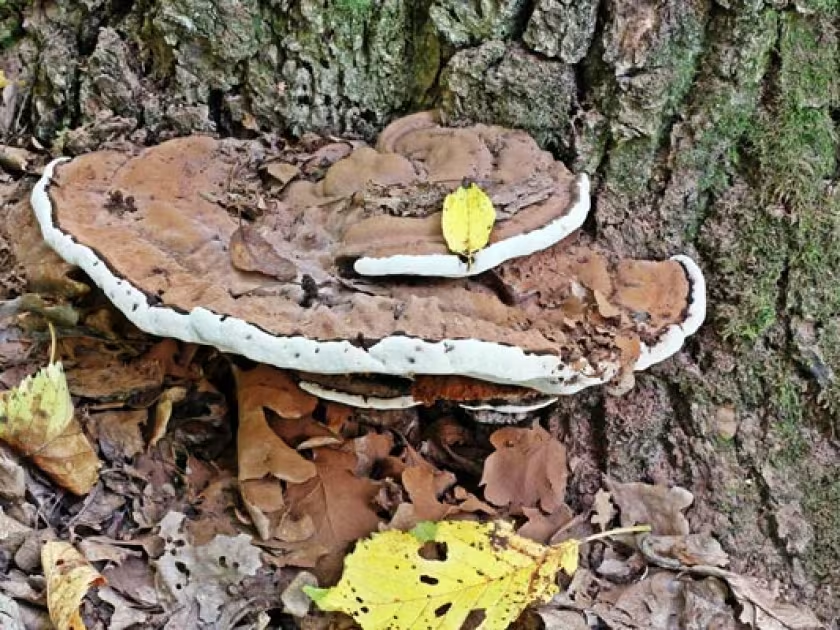
The most diagnostic feature is the appearance of bracket-shaped fungal fruiting bodies (conks) at the base of the stem, which confirm the presence of the pathogen.
The internal stem tissue undergoes a white-rot process, where the wood becomes soft and brittle, significantly reducing the tree's physical stability.
As the disease progresses, the tree crown shows signs of severe malnutrition, leading to reduced nut production, loss of leaves, and ultimately death.
Pathogen
The disease is caused by fungi of the genus Ganoderma, which are basidiomycetes capable of persisting in soil and dead plant debris for many years.
This pathogen attacks the root system and the base of the stem, causing a progressive rot that eventually destroys the structural integrity of the plant.
Ganoderma produces distinct reproductive structures known as basidiocarps, which emerge from the lower stem and serve as primary sources of airborne spores.
The mycelium colonizes the vascular tissues of the palm, effectively blocking the transport of water and essential nutrients, which leads to the eventual collapse of the tree.
Spread occurs primarily through root-to-root contact in dense plantations and via spores that travel through the air to colonize wounds on other trees.
Conditions for development
Basal stem rot thrives in environments with high soil moisture and poor drainage, which are favorable for the continuous growth of the fungus.
Warm tropical temperatures, typically between +25°C and +30°C, provide an optimal climate for the rapid proliferation of the pathogen throughout the year.
Wounding the base of the palm during field operations, such as mechanical weeding or irrigation maintenance, creates entry points for fungal infection.
Poor plantation sanitation, including the retention of dead stumps from previous crops, increases the risk of infection by providing a permanent substrate for the fungus.
High nitrogen levels in the soil can sometimes exacerbate the disease by promoting rapid vegetative growth that is more susceptible to fungal penetration.
Why it matters
This disease is considered one of the most destructive threats to coconut palm plantations worldwide, causing significant losses in yield and capital investment.
The rotting of the stem base poses a major safety risk, as structurally compromised palms can fall unexpectedly, endangering workers and surrounding infrastructure.
Once established, the fungus is extremely difficult to eradicate because it resides deep within the trunk and survives in the root zones for prolonged periods.
The loss of mature, high-yielding trees forces plantation managers to incur heavy costs for removal, disposal, and the replanting of new, healthy seedlings.
The disease acts as a limiting factor in agricultural production, as it restricts the viable lifespan of palm trees and limits the choice of land for future planting.
Protection
Strict sanitation protocols are essential; this includes the immediate removal of infected trees, including the entire root mass, followed by controlled burning.
Implementing isolation trenches around infected trees can physically block the spread of mycelium through the soil to neighboring, healthy palms.
Biological control using antagonistic fungi, such as Trichoderma species, applied to the soil can help suppress the population of the pathogen.
Careful plantation management to avoid mechanical damage to the trunk base and ensuring adequate soil drainage are critical preventative measures.
- Routine inspection for early signs of infection.
- Sanitization of tools to prevent cross-contamination.
- Proper removal and disposal of all decaying wood.
- Monitoring soil moisture levels in the plantation.
Pathogens and affected parts
Affects crops · 1
Discussion
No discussions yet — be the first.