
Pumpelly's brome
Bromopsis pumpelliana
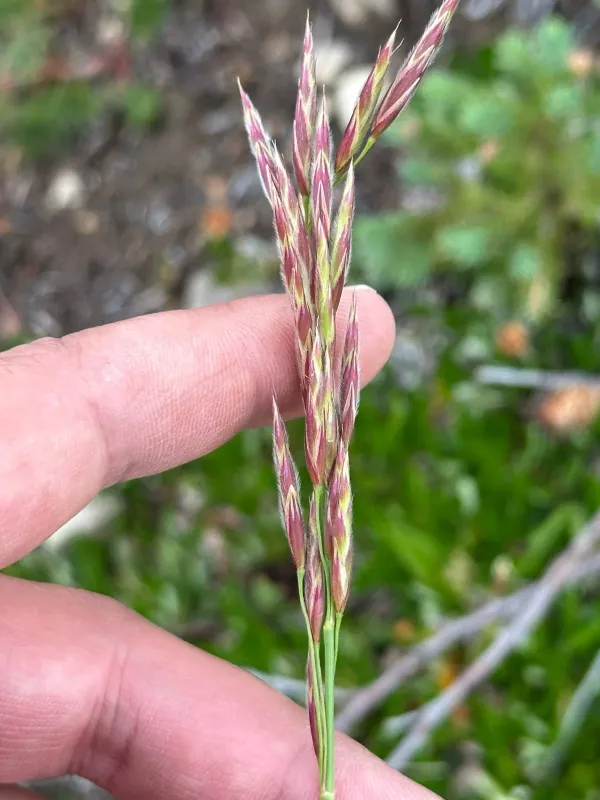
Description
Sowing dates
Pumpelly's brome is a resilient perennial grass species known for its strong rhizomatous root system, making it suitable for soil stabilization and forage production.
The optimal sowing time is early spring, which allows the seedlings to establish a strong root system before the onset of the summer heat or dry periods.
Seeds should be sown at a shallow depth of approximately 1 to 2 centimeters, ensuring they have sufficient soil moisture contact for rapid and uniform germination.
The standard seeding rate ranges from 10 to 15 kilograms per hectare, depending on whether the brome is planted as a monoculture or within a complex grass mixture.
Since the initial growth rate of Pumpelly's brome is relatively slow, maintaining weed-free fields during the establishment year is vital for the success of the stand.
Growing requirements
This grass species is exceptionally cold-hardy, thriving in northern climates where other forage grasses might succumb to frost heave or severe winter temperatures.
It performs best on well-drained loamy soils but shows remarkable adaptability to various soil types, ranging from sandy soils to heavier clay compositions.
Drought tolerance is a key feature of this grass, allowing it to maintain productivity in regions with low annual precipitation or summer dry spells.
Pumpelly's brome prefers neutral to slightly acidic soil conditions and can tolerate a variety of environmental stressors, which makes it an excellent choice for reclamation projects.
Full sun exposure is required for optimal physiological function; shade from dense forest canopies or high-growing shrubs can lead to significantly reduced biomass production.
Yield
Yields of Pumpelly's brome are highly responsive to management practices, particularly fertilization and the timing of the harvesting schedule throughout the growing season.
Under favorable growing conditions with adequate moisture, biomass production can reliably reach 12 to 18 tonnes per hectare of fresh green forage.
As a hay crop, this species provides a high-quality nutritional profile, with yields typically ranging from 3 to 5 tonnes of dry matter per hectare in a single-cut system.
Continuous grazing management can sustain productivity, provided that the stocking rate is regulated to prevent overgrazing and protect the plant's basal crown.
Applying balanced NPK fertilizers in early spring significantly boosts the annual yield and supports the plant's ability to regenerate quickly after cutting or grazing.
Main diseases and pests
While generally robust, Pumpelly's brome is not immune to pathogens, particularly in areas with high humidity or stagnant air circulation within the stand.
Fungal issues such as powdery mildew can develop if the stand is excessively dense, while rust diseases may appear during seasons characterized by prolonged rainfall.
Insects like cereal leaf beetles and aphids can cause damage during the vegetative stage, potentially reducing the overall quality and vigor of the forage stand.
Strategic monitoring and the use of integrated pest management (IPM) techniques are recommended to maintain field health without over-reliance on chemical controls.
Maintaining proper field hygiene, including the removal of crop residues and avoiding overly wet fields, significantly reduces the likelihood of severe infestation.
Harvesting
Harvesting for high-quality hay should be conducted during the early boot to early flowering stage to ensure the best balance between protein content and total biomass.
Mechanical harvesting equipment, such as disc mowers, should be set to an appropriate height to avoid damaging the rhizomes, which are essential for regrowth.
For seed production, harvesting should occur once the seed heads have fully matured and hardened, typically identified by a change in color and reduced moisture content.
Minimizing seed shattering is crucial during harvest; therefore, using specialized machinery during the cool morning hours is often recommended to maintain efficiency.
Proper curing of hay is essential to prevent mold growth, requiring adequate field drying time or the use of mechanical conditioning during the baling process.