

Treflan 480
Доу АгроСайенсіс С.А.С., Друзенхайм, Франція
Herbicides
3
2
·
4.1K
3 offers
9.08 €per pack
Buy
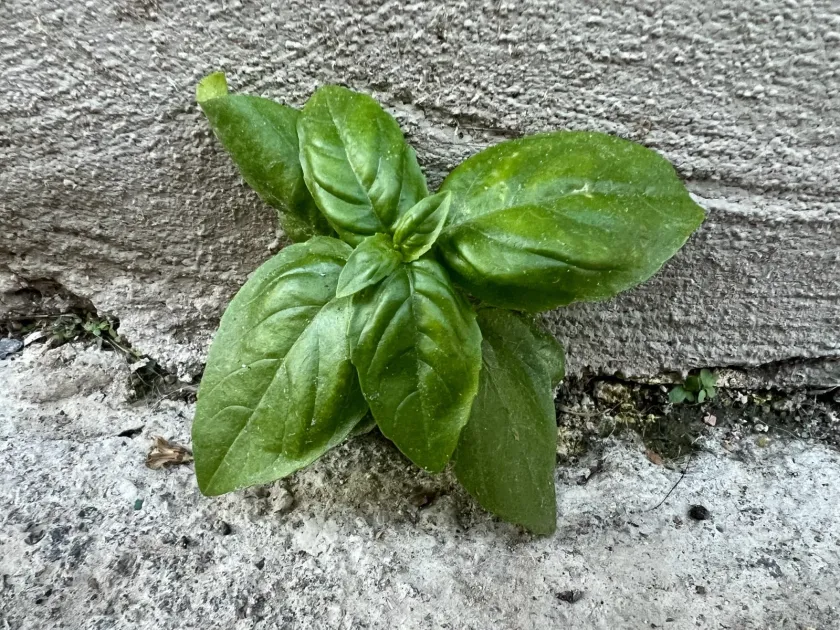
Basil (Ocimum basilicum L.) is a popular annual herb belonging to the Lamiaceae family, known for its preference for warm and sunny environments.
For early crops, basil should be started indoors in trays or greenhouses about 4 to 6 weeks before the last expected frost date in your region.
Direct seeding in the garden can be done only after the soil has warmed up significantly, typically when temperatures remain consistently above 15°C.
Seeds are small and should be sown shallowly, covered with a fine layer of soil, and kept consistently moist to ensure uniform germination.
Spacing is crucial for plant development; thin seedlings to at least 20–30 cm apart to ensure good air circulation and prevent competition for resources.
Basil thrives in full sun, requiring at least 6–8 hours of direct light daily to produce the high levels of essential oils that define its characteristic aroma.
The soil should be well-drained, fertile, and rich in organic matter, maintaining a pH level between 6.0 and 7.5 for optimal nutrient uptake.
Irrigation management is vital; basil prefers soil that is consistently moist but not waterlogged, as excess water can quickly lead to root rot issues.
Applying a balanced liquid fertilizer every few weeks during the peak growing season supports the development of lush foliage and lateral branches.
As a tropical plant, basil is extremely sensitive to cold temperatures, and even a light frost will cause severe damage or immediate death of the plant.
The yield of basil depends heavily on the chosen variety, soil fertility, and how frequently the plants are pruned throughout the vegetative growth stage.
Consistent pruning of the top leaves encourages the plant to bush out, significantly increasing the total amount of leaves available for harvesting.
In a controlled greenhouse environment, high-density planting combined with supplemental lighting can result in multiple harvests per season.
Field-grown basil can yield substantial amounts, but care must be taken to remove flower buds promptly, as flowering signals the plant to stop leaf production.
Effective management of water and nitrogen levels allows growers to maximize the harvestable biomass while maintaining high leaf quality.
Fungal diseases like Fusarium wilt are among the primary threats, often occurring in heavy, poorly drained soils during hot and humid weather conditions.
Downy mildew has become a major concern, characterized by yellowing leaves and fuzzy grey growth on the underside, necessitating strict sanitation practices.
Pests such as aphids, spider mites, and Japanese beetles can infest basil, damaging leaves and reducing the overall market value of the crop.
Integrated Pest Management (IPM) is recommended, focusing on early detection and the use of organic-approved controls given the crop's edible nature.
Harvesting should begin when the plant is well-established, usually by pinching off the top sets of leaves once the plant reaches a height of 15–20 cm.
Always harvest in the morning to preserve the peak concentration of aromatic essential oils and ensure the leaves stay fresh for longer periods.
For commercial use, basil is harvested in bunches and should be kept in a cool, shaded environment to prevent wilting before processing or packaging.
Drying is a common preservation method, but it must be done in a shaded, ventilated area to maintain the herb's color and volatile oil content.
Freezing, either by blanching or turning the leaves into a paste with oil, is an excellent alternative for preserving the fresh-picked taste for several months.


