
Basil
Ocimum basilicum x Ocimum tenuiflorum
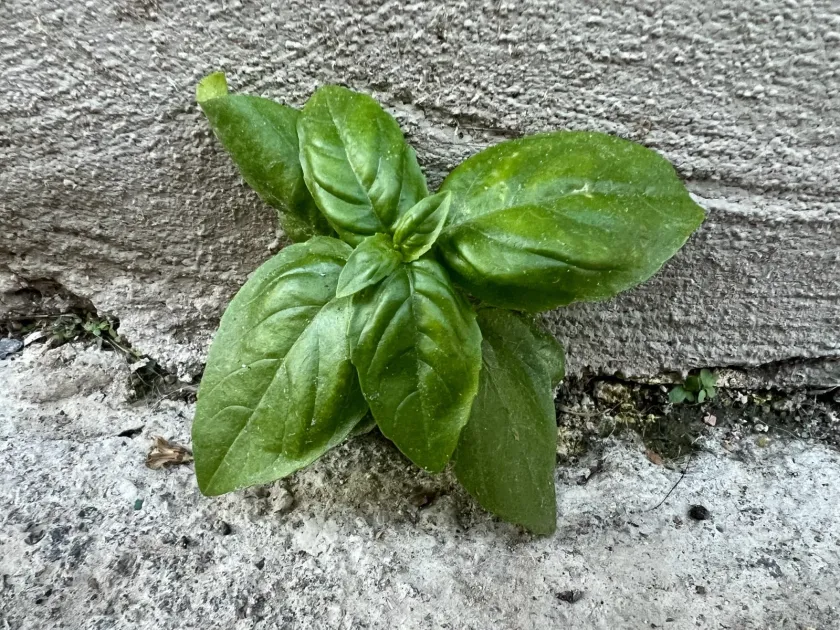
Description
Sowing dates
Basil (Ocimum basilicum x Ocimum tenuiflorum) is a tender annual belonging to the Lamiaceae family. It is highly sensitive to cold, and in temperate climates, it is typically started indoors 45–60 days before the last frost date.
Seeds should be sown in a high-quality, well-draining seed starting mix at a depth of about 0.5–1 cm. Maintaining a soil temperature of 20–25 degrees Celsius is crucial for rapid and uniform germination.
Once the threat of frost has passed and the soil has warmed significantly, the seedlings can be transplanted into the garden. They require full sun exposure, needing at least 6 to 8 hours of direct sunlight per day to thrive.
When sowing directly outdoors, wait until the weather is consistently warm. Space the plants 20–30 cm apart to ensure good air circulation, which helps reduce the risk of foliage diseases.
Succession planting is recommended for a continuous supply of fresh basil throughout the growing season. New seeds can be sown every few weeks until mid-summer.
Growing requirements
Basil is a heat-loving crop that thrives in temperatures between 20 and 30 degrees Celsius. Temperatures below 10 degrees can stunt growth and cause leaf discoloration or damage.
The ideal soil is fertile, loose, and well-drained, with a slightly acidic to neutral pH. Incorporating organic matter, such as compost, into the soil prior to planting provides necessary nutrients for healthy growth.
Regular watering is essential, but the soil should not become waterlogged. It is best to water the base of the plant to keep the foliage dry, which significantly reduces the risk of fungal infections.
Fertilization with a balanced, organic-based fertilizer can be applied during the peak growing season to promote lush foliage. However, excessive nitrogen should be avoided as it can dilute the concentration of essential oils.
Adequate air circulation is vital in the garden. Avoid overcrowding plants, and ensure that the planting site is protected from harsh, drying winds while remaining fully exposed to the sun.
Yield
The yield of fresh basil depends on consistent maintenance and regular pruning. Proper management can result in a harvest of several kilograms of fresh herb per square meter over the course of a season.
Pruning is the key to high productivity. By pinching off the top sets of leaves, the plant is encouraged to branch out, creating a bushier structure with more stems and leaves for harvesting.
Preventing the plant from flowering is critical. Once the plant begins to produce flower spikes, it shifts energy away from leaf production, leading to a decrease in overall quality and flavor.
Commercial greenhouse production can yield significantly more due to climate control and specialized fertigation systems. In these setups, basil is often grown in nutrient film techniques or high-quality substrates.
The vegetative period before the first harvest is typically 60 to 80 days. By harvesting regularly, the plant is forced into a state of continuous rejuvenation, maximizing total biomass output.
Main diseases and pests
Fungal diseases are the primary threat to basil, with Fusarium wilt being a major concern in warmer climates. Symptoms include wilting and browning of the stems, often leading to total plant collapse.
Downy mildew has become increasingly problematic, characterized by yellowing leaves with gray-purple fuzz underneath. It thrives in high humidity and requires proper spacing to mitigate spread.
Pests like aphids, spider mites, and Japanese beetles can cause damage to the leaves. Monitoring the undersides of leaves regularly allows for early detection and intervention.
Slugs and snails are particularly problematic for young seedlings. Barrier methods such as copper tape or crushed eggshells can help protect the plants during the initial growth phase.
- Practice strict crop rotation
- Use disease-resistant cultivars
- Ensure proper spacing for airflow
- Water early in the morning to allow drying
Harvesting
Harvesting should be done by pinching or cutting the stems just above a pair of leaves. This encourages the plant to regrow from the node, allowing for multiple harvests throughout the season.
The best time for harvesting is in the morning after the dew has evaporated but before the heat of the day causes the essential oils to diminish. Morning harvests provide the most aromatic yield.
Freshly harvested basil is perishable and should be stored properly. It can be kept at room temperature in a glass of water, similar to flowers, or refrigerated in a sealed bag to retain freshness.
Drying is a common preservation method, but it must be done in a cool, dark, and well-ventilated area to prevent flavor loss. Temperatures should never exceed 35 degrees Celsius.
For long-term storage, freezing basil in oil or water or as a pesto base preserves the flavor far better than drying. This method retains the vibrant color and fresh aroma of the herb.