
Small-leaf basil
Ocimum minimum L.
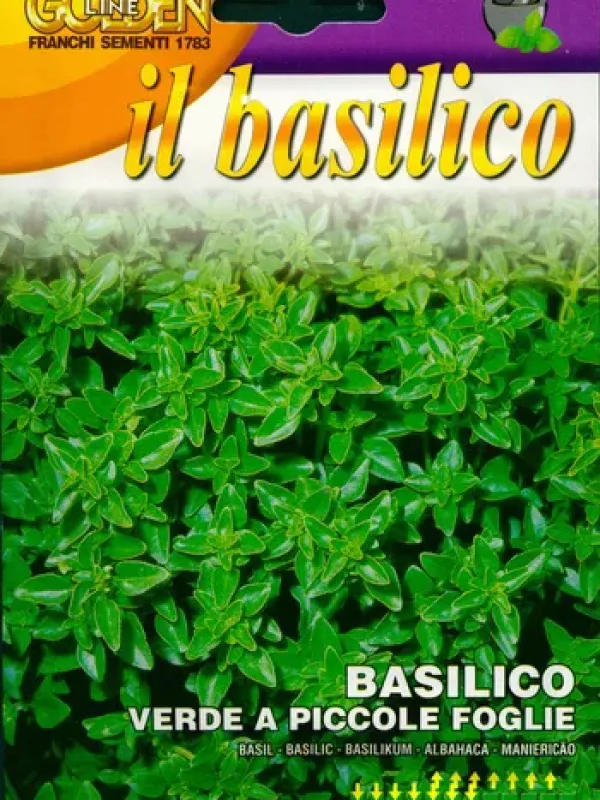
Description
Sowing dates
Small-leaf basil is a heat-loving annual plant belonging to the Lamiaceae family. In temperate climates, seeds should be sown indoors in March or early April, maintaining a stable temperature of approximately 20–25 degrees Celsius.
Transplanting into the garden bed should only occur after the risk of frost has passed and the soil has warmed to at least 15 degrees Celsius. An optimal planting distance is 20 by 25 centimeters to ensure healthy development.
For direct outdoor sowing, choose sunny locations and wait until late May. It is crucial to remember that even minor temperature drops near freezing can be fatal to young, tender basil seedlings.
The seeds contain essential oils and have a hard coating, so soaking them in warm water for a few hours before sowing is recommended. Plant seeds no deeper than one centimeter to ensure consistent germination.
Germination typically takes between 7 to 14 days, depending on light levels and soil moisture. Using temporary covers during the first month of growth significantly accelerates development rates.
Growing requirements
This crop requires high light levels and thrives in open areas with full sun exposure throughout the day. Shade causes the plant to become leggy, reduces the intensity of its aromatic properties, and increases susceptibility to fungal diseases.
The ideal soil for basil is light, fertile, well-draining, and slightly acidic to neutral in pH. Sandy loam or loamy soils rich in organic matter are preferred to balance nutrient supply and moisture retention.
Consistent watering is essential, especially during dry spells; however, waterlogging must be avoided to prevent root rot and the development of harmful pathogens. The soil should remain moist but never saturated.
Basil responds well to organic fertilization, such as compost or well-rotted manure, applied during soil preparation. Regular feeding promotes lush leaf growth, which is the primary objective of cultivation.
Maintenance includes regular hoeing between rows to control weeds and improve aeration. Mulching the beds helps retain soil moisture, stabilizes temperature, and suppresses the growth of unwanted competitive vegetation.
Yield
Commercial yield depends heavily on the growing conditions, typically ranging from 1.5 to 2.5 kilograms per square meter. Regular pruning of the tops encourages branching and extends the harvest duration significantly.
Small-leaf varieties are prized for their high concentration of essential oils, making them highly sought after for culinary and cosmetic purposes. Marketability remains high until the plant begins to form flower buds.
To maximize production, pinching off the growing tips is a common practice that stimulates bushier growth and delays flowering. Optimal yields are achieved through intensive care and appropriate nitrogen-based nutrition.
Harvesting can begin once plants reach 15–20 centimeters in height. It is important to harvest before the stems become woody, as this transition adversely affects the quality and flavor of the leaves.
For short-term storage, harvested leaves should be kept in a cool, shaded environment. For long-term preservation, the crop can be air-dried in the shade or frozen to retain its characteristic spicy aroma.
Main diseases and pests
Fusarium wilt and damping-off are the most significant diseases, often resulting from overwatering or poorly drained soils. These fungal issues can cause rapid decline and plant death if not controlled.
Aphids and spider mites are the most frequent pests, as they feed on the sap of young leaves and shoots. Infestations lead to leaf deformation, yellowing, and an overall reduction in plant vigor.
Prevention focuses on crop rotation, avoiding the same location for at least 3–4 years. Ensuring adequate spacing between plants is critical to allow for proper air circulation and to minimize humidity buildup.
If pests appear, use organic biocontrol agents, as they are safer for herbs intended for human consumption. The use of harsh synthetic pesticides is strongly discouraged for aromatic crops.
Maintaining a nutritional balance is a defensive strategy, as excessive nitrogen can make plants more attractive to pests and susceptible to disease. Healthy, well-balanced plants exhibit natural immunity.