
Badula
Badula
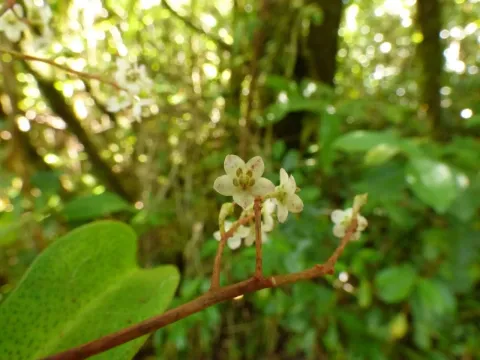
Badula is a genus of evergreen shrubs and small trees belonging to the Myrsinaceae family. These plants are characterized by their slow growth rate and specific adaptation to the tropical forest understory, which dictates their high requirements for environmental stability.
What the section contains


Badula
Originating primarily from the Mascarene Islands, the plant thrives in environments with high humidity and consistent moisture. In a horticultural context, it is considered a specialized ornamental, suitable for greenhouse conditions where tropical conditions can be replicated.
The soil requirements are strict: the plant needs a well-drained, nutrient-rich, and slightly acidic medium. A mixture of peat, leaf mold, and perlite provides the necessary aeration for roots to breathe, preventing the suffocation often caused by heavy clay soils.
Temperature is a limiting factor for this culture. It requires a stable range between 20°C and 28°C. Cold drafts or sudden temperature drops below 15°C can cause significant stress, leading to leaf abscission and a cessation of the metabolic processes necessary for growth.
Regarding light, Badula is a shade-tolerant plant in its native habitat, meaning it requires filtered or diffused light. Direct intense sunlight can scorch the leaves, while insufficient light leads to long, weak shoots and decreased aesthetic value.
Spider mites are the most common pest, particularly in controlled environments where humidity levels might fluctuate. They thrive in dry conditions and can cause severe damage by webbing and feeding on the undersides of leaves.
Scale insects often cluster on the stems, depleting the plant's resources. Manual removal or the use of horticultural oils is recommended as an initial control strategy, followed by systemic insecticides if the infestation persists.
Root rot, typically caused by Pythium or Phytophthora species, is the most fatal disease for Badula. It is almost always a result of overwatering and inadequate soil drainage, requiring strict irrigation management to prevent the decay of the root system.
Fungal infections such as leaf spots can spread rapidly under stagnant air conditions. Improving air circulation through fans or proper plant spacing within the greenhouse is essential to lower humidity on leaf surfaces.
Nutritional deficiencies appear as interveinal chlorosis, which can be corrected by adjusting the soil pH and providing a balanced micronutrient feed. Ensuring the availability of iron and magnesium is crucial for the photosynthesis process in evergreen foliage.