
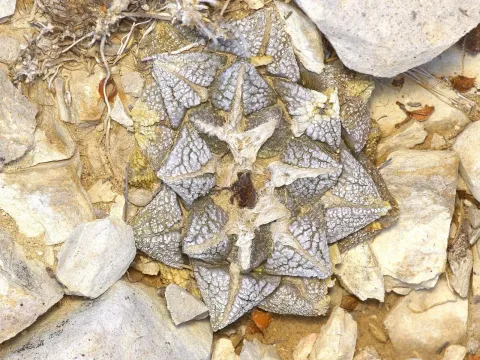
Ariocarpus
Ariocarpus
Sowing Ariocarpus seeds requires patience and precise conditions, typically starting in early spring to leverage the natural light cycle.
What the section contains
 Ariocarpus agavoides
Ariocarpus agavoides
Ariocarpus agavoides
 Ariocarpus bravoanus
Ariocarpus bravoanus
Ariocarpus bravoanus
 Ariocarpus fissuratus
Ariocarpus fissuratus
Ariocarpus fissuratus
 Ariocarpus kotschoubeyanus
Ariocarpus kotschoubeyanus
Ariocarpus kotschoubeyanus
 Ariocarpus retusus
Ariocarpus retusus
Ariocarpus retusus
 Ariocarpus scaphirostris
Ariocarpus scaphirostris
Ariocarpus scaphirostris
 Ariocarpus trigonus
Ariocarpus trigonus
Ariocarpus trigonus
Ariocarpus
Seeds should be sown in a well-sterilized, mineral-based substrate to prevent fungal infections that often devastate slow-growing seedlings.
Maintaining a temperature range of 22–28 degrees Celsius is essential for successful germination, which can take several weeks or longer.
During the germination phase, high humidity must be maintained under a transparent cover, followed by gradual acclimation to lower humidity.
It is crucial to avoid disturbing the seedlings during their first year, as their root development is extremely fragile and slow.
Ariocarpus is a genus within the Cactaceae family, known for its unique rosette shape and natural habitat in the limestone regions of Mexico and Texas.
These plants require a highly porous, gritty, and mineral-heavy soil mix that ensures rapid drainage and prevents water logging at the root zone.
The climate requirements include a distinct period of dry, cool winter dormancy to ensure the health and flowering potential of the specimen.
Light levels must be intense to maintain the plant's natural compact form, although shade during peak afternoon heat is recommended to prevent scorching.
Fertilization should be kept to a minimum, as these plants are adapted to nutrient-poor soils and excessive nutrients can cause abnormal growth.
Root rot caused by stagnant moisture is the most significant threat to Ariocarpus and is frequently fatal if not addressed immediately.
Pests such as mealybugs often hide deep within the tubercles, making them difficult to detect and eradicate without systemic treatment.
Root mealybugs can severely inhibit the growth of the plant and are often only discovered during periodic repotting sessions.
Preventative measures should focus on air circulation and the use of inorganic growing media to reduce the attractiveness of the environment to pests.
Chemical intervention should be approached with caution, using diluted dosages to account for the slow metabolic rate of the cactus species.