
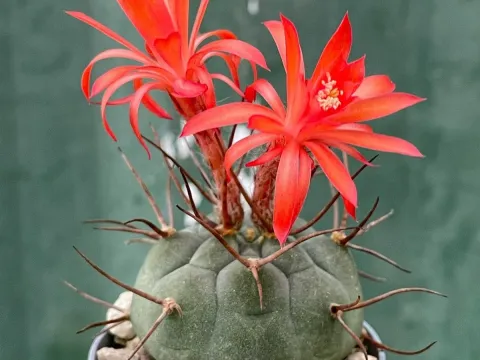
Anhaloniopsis
Anhaloniopsis
Anhaloniopsis is a genus of small, highly specialized succulent plants belonging to the Cactaceae family. These cacti are valued by collectors for their unique morphology and slow growth rate, often showing strong adaptation to harsh desert environments.
What the section contains

Anhaloniopsis
The native range of the genus is restricted to the arid and semi-arid regions of Mexico. They are primarily found growing in limestone-based substrates, often nestled in rock crevices where mineral-rich, well-draining soil is available.
The core requirement for successful cultivation is a mineral-based substrate that provides near-perfect drainage. Organic material should be kept to a minimum to prevent water retention, which is the primary cause of plant loss in this genus.
Light intensity is critical for the development of healthy, compact stems. In a greenhouse or indoor environment, supplemental lighting may be necessary during short winter days to ensure the plant remains in its natural, flattened, or rounded shape.
Temperature management requires a distinct seasonal shift. While they tolerate heat during the growing season, a cool and completely dry winter dormancy period is essential to trigger future flowering and ensure the plant's overall longevity.
The most significant threat to Anhaloniopsis is physiological stress caused by incorrect watering. Excessive moisture in the root zone leads to rapid rot, which is often irreversible once the main taproot has been compromised.
Mealybugs are the most common pest found in cultivation. Their ability to hide in the woolly hairs of the areoles makes them difficult to manage with simple contact sprays, necessitating systemic insecticides for effective control.
Red spider mites pose a constant risk in low-humidity environments. They cause stippling and scarring of the cactus epidermis, which can lead to permanent disfigurement and decreased resistance to fungal pathogens.
Fungal infections, often manifested as dark spots or soft rot, can proliferate during periods of stagnant air. Proper ventilation is a mandatory horticultural practice to prevent the build-up of excess humidity around the plant bodies.
Root pests, including root mealybugs, thrive in poorly aerated or aged soil. Regular repotting every two to three years into fresh, sterile substrate is recommended as a preventive measure against both pests and nutrient depletion.