
Anhaloniopsis madisoniorum
Anhaloniopsis madisoniorum
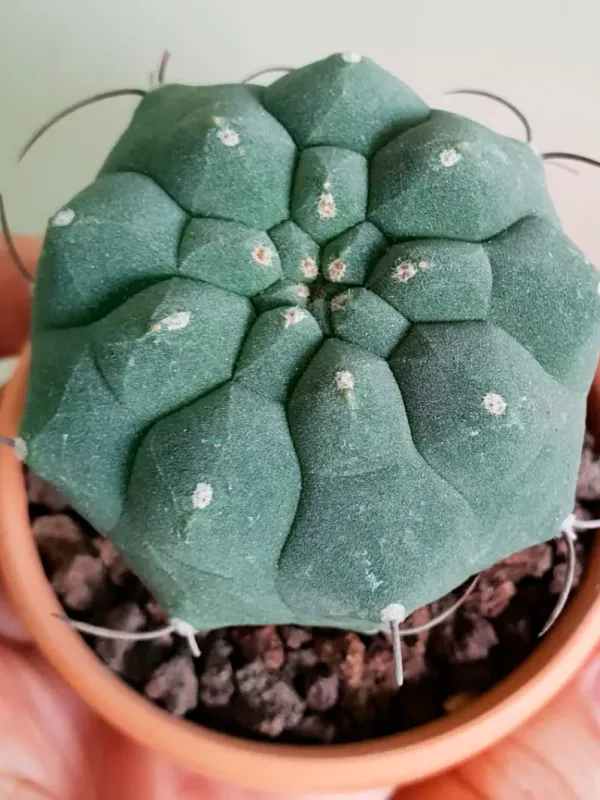
Description
Growing requirements
Anhaloniopsis madisoniorum is a highly specialized cactus species belonging to the Cactaceae family, known for its distinct globular shape and near-spineless appearance. Originating from the rugged terrains of Peru, this plant is well-adapted to surviving in mineral-rich, stony environments.
Botanically, this species is characterized by a soft, grey-green epidermis and a slow growth rate. Due to its unique morphology and rarity, it is highly sought after by succulent enthusiasts and requires a specialized approach to cultivation.
The substrate for this plant must be extremely well-draining, consisting primarily of inorganic materials like pumice, volcanic rock, and coarse sand. Organic components should be kept to a minimum to avoid prolonged moisture retention around the roots.
Bright, filtered light is essential for the healthy growth of this cactus. While it thrives in bright conditions, it must be protected from direct, scorching sun rays, which can cause severe dehydration and epidermal burns.
Temperature management is critical for the success of the species. It requires a significant difference between daytime and nighttime temperatures during the growing season, and a cool, dry dormancy period in winter to maintain vigor and initiate flowering.
Main diseases and pests
Root rot is the most common and fatal threat to Anhaloniopsis madisoniorum. It is typically triggered by overwatering, insufficient ventilation, or the use of heavy, water-retaining soils that do not allow the roots to breathe.
Mealybugs are a significant pest that can hide in the crevices of the tubercles. These pests extract plant sap and can weaken the specimen significantly, making it susceptible to secondary bacterial infections.
Spider mites are also known to infest this species, especially in conditions of low humidity. They can cause scarring and discoloration of the stem, which negatively affects the aesthetic value and vitality of the cactus.
Proactive management involves regular monitoring of the plant's surface and root zone. Keeping the environment clean and ensuring proper airflow are the most effective ways to prevent infestations.
Treatment should involve systemic insecticides for pests and strict adherence to irrigation schedules to prevent rot. Always ensure the substrate is completely dry before providing any additional water.