
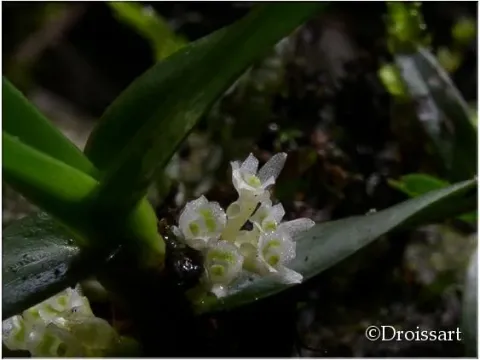
Ancistrorhynchus
Ancistrorhynchus
Ancistrorhynchus is a genus of flowering plants in the Orchidaceae family. These plants are characterized as epiphytes, primarily native to the tropical regions of Africa. Their biological adaptation allows them to thrive in moist forest canopies, utilizing tree bark as a mechanical support system.
What the section contains

Ancistrorhynchus
The botanical structure of Ancistrorhynchus features distinctive floral anatomy, often including specialized labellum structures that assist in pollination. Their leaves are typically leathery and arranged in a way that maximizes water capture from atmospheric moisture and tropical rainfall.
Climate requirements for this genus are strict: they require a stable, humid, and warm environment. Ideally, temperatures should hover between 22°C and 28°C. Dropping below 15°C for extended periods can cause severe physiological stress and potentially fatal damage to these tropical specimens.
Light levels should be carefully managed, as these plants are adapted to the shaded understory of dense forests. Bright, indirect light is necessary for photosynthesis without the risk of scorching the leaves, which are prone to dehydration if exposed to direct solar intensity.
When it comes to soil and potting, traditional garden soil is unsuitable. Ancistrorhynchus thrives when mounted on cork slabs or placed in porous media like high-quality orchid bark, perlite, and sphagnum moss. This mimics their natural environment, allowing for rapid drainage and optimal airflow.
The most significant threats to the health of Ancistrorhynchus in cultivation include various fungal pathogens such as Fusarium and Phytophthora. These are typically the result of poor air circulation and water-logging, which create anaerobic conditions around the roots.
Pest pressures often come from sap-sucking insects. Mealybugs, scale insects, and spider mites are frequent invaders. They can weaken the plant by extracting essential nutrients and creating entry points for secondary viral or bacterial infections to penetrate the orchid tissues.
Effective management of these threats involves a combination of mechanical removal and chemical control. Regular inspection of leaf axils and the undersides of leaves is crucial for early detection, preventing large-scale infestations within a collection of exotic plants.
Water quality plays a vital role in preventing chemical stress. High concentrations of salts or heavy minerals in tap water can accumulate in the substrate, damaging the sensitive velamen of the orchid roots and preventing efficient water uptake.
Proactive cultural practices, such as ensuring a proper dry-down period between waterings and maintaining adequate spacing between plants, significantly reduce the incidence of diseases. Cleanliness in the growing area is essential for long-term survival of this species.