
Ancistrorhynchus capitatus
Ancistrorhynchus capitatus
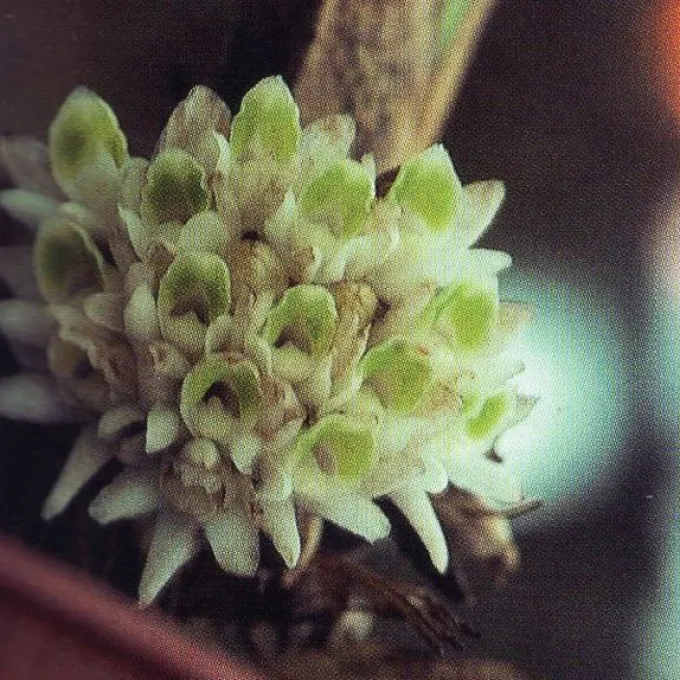
Description
Growing requirements
Ancistrorhynchus capitatus is a specialized species within the Orchidaceae family. It is an epiphytic plant that naturally occurs in the tropical rainforests of sub-Saharan Africa, where it thrives in humid environments.
This orchid exhibits a monopodial growth habit, which means the plant continues to grow from a single terminal stem. Its leaves are structurally adapted to store moisture, featuring a leathery texture that is characteristic of many tropical epiphytes.
The cultural requirements for this plant include a high-humidity environment and stable warm temperatures. It requires a significant amount of ambient airflow to mimic the natural movement of air through the canopy of its native forests.
Ancistrorhynchus capitatus must be grown on specialized substrates, such as bark mounts or open baskets, to allow its roots to breathe. Drainage is the most critical factor, as stagnant water will inevitably lead to root rot.
Economic use of this plant is primarily focused on botanical research and specialized collections. Due to its unique floral structure and relative rarity, it is highly sought after by orchid enthusiasts and scientific institutions.
Main diseases and pests
Major threats to Ancistrorhynchus capitatus include pathogens such as Fusarium and Pythium, which thrive in poorly ventilated environments. Maintaining proper moisture management is essential to prevent these fungal infections.
Common pests that target this orchid include scale insects and spider mites. These pests can cause significant leaf damage and weaken the plant, making it more susceptible to environmental stress and opportunistic infections.
Regular sanitation of the growing area is crucial to keep the plant healthy. This includes removing dead organic matter from the base of the orchid and ensuring that the pots or mounts are kept free of debris.
Nutrient deficiency is another issue that can arise if the orchid is not properly fertilized during its growing phase. A balanced, dilute fertilizer designed for epiphytic orchids should be applied carefully.
Environmental stress caused by rapid temperature fluctuations can also weaken the plant's resistance. It is recommended to maintain a consistent climate to avoid shock and promote healthy, long-term development of the plant.