
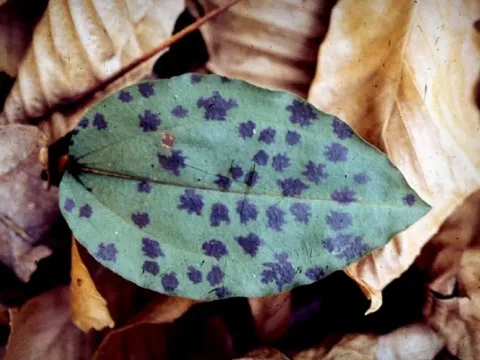
Aplectrum
Aplectrum
Aplectrum is a genus of perennial herbaceous plants belonging to the Orchidaceae family. It is not considered a commercial agricultural crop but is a subject of specialized botanical interest for researchers and specialized gardeners.
What the section contains

Aplectrum
The plant originates from North America and is typically found in moist, deciduous forests. Its natural distribution is linked to specific forest microclimates that provide high organic matter content in the soil.
Botanically, Aplectrum is distinguished by its unique growth cycle. It produces a single leaf in the autumn that survives through the winter, while the floral stem emerges in the spring, typically after the leaf has withered away.
Cultivation requires strict adherence to environmental conditions, including deep shade, high humidity, and well-draining, humus-rich soil. Successful growth is entirely dependent on the presence of specific mycorrhizal fungi in the soil substrate.
Its primary use is ornamental and scientific. Because of its specific ecological requirements, Aplectrum remains a rare sight in cultivated environments and requires professional handling to maintain its health and viability.
The main threats to the plant include root rot caused by poor soil drainage and waterlogging, which rapidly destroys the delicate root systems of the orchids.
Pests such as slugs and snails are highly destructive to the foliage and emerging buds. Additionally, any disturbance to the symbiotic soil environment can lead to the decline of the plant population.