
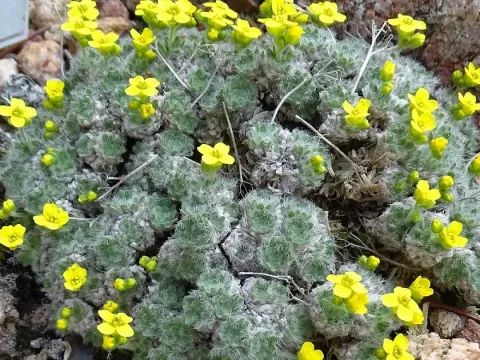
Amana
Amana
Planting of Amana bulbs is carried out primarily in the autumn, before the first significant frosts to ensure proper root establishment.
What the section contains


Amana
Optimal timing generally falls within September and October, depending on the climatic conditions of the specific geographic region.
Bulbs should be buried at a depth of 5 to 10 centimeters, depending on the bulb size and the soil type for better insulation.
Providing a spacing of 10 to 15 centimeters between individual plants is essential for ensuring adequate airflow and nutrient access.
Spring planting may be attempted, but it is less favorable compared to autumn planting, often resulting in reduced vegetative growth.
Amana belongs to the Liliaceae family and thrives in fertile, well-drained soils with a neutral or slightly alkaline pH level.
The plant requires full sun exposure for successful blooming and healthy development of its characteristic foliage.
It is adapted to temperate climates, originating from regions in Central and Eastern Asia where it exhibits significant resilience.
While the plant requires moisture during its growth cycle, it is highly sensitive to waterlogging, which can cause bulb rot.
Soil structure should be friable and loose to allow the roots to penetrate easily and to facilitate proper water drainage.
Fungal diseases, particularly basal rot and other moisture-related pathogens, represent the most significant threat to the culture.
Pests such as bulb mites, wireworms, and larvae of certain insects can cause severe physical damage to the bulbs and roots.
Preventive measures include maintaining appropriate soil moisture levels and ensuring effective drainage to discourage fungal growth.
Monitoring for any early signs of yellowing or decay in foliage is crucial for immediate intervention against potential infestations.
Application of systemic fungicides or insecticides is recommended only when cultural practices alone fail to prevent damage.
Bulbs are harvested after the foliage has fully yellowed and naturally withered, indicating the onset of the plant's dormancy.
Once lifted, the bulbs must be thoroughly dried in a shaded, well-ventilated area to reduce the risk of mold during long-term storage.
Cleaning involves the careful removal of soil and loose, damaged outer layers to prepare the bulbs for proper preservation.
Storage should take place in a cool, dry place with sufficient airflow to maintain the quality of the planting material for the next season.
Regular inspection of stored bulbs allows for the prompt removal of any damaged or diseased specimens, preventing contamination.