
Aman fritillary
Fritillaria amana
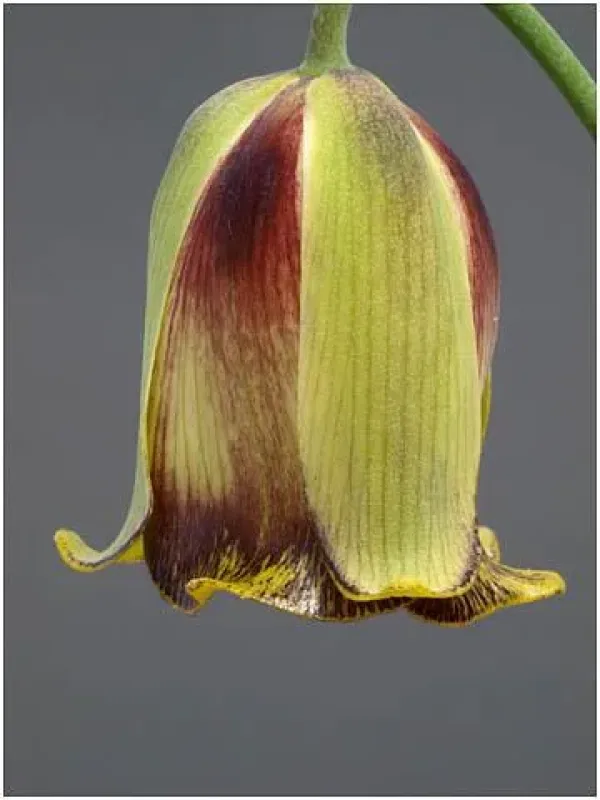
Description
Sowing dates
Aman fritillary (Fritillaria amana) is a perennial bulbous plant belonging to the Liliaceae family. It is typically planted in the garden during late summer or early autumn to allow root development.
The ideal planting time corresponds with cooling soil temperatures, generally when they drop below 12 degrees Celsius, preparing the bulbs for winter dormancy.
Bulbs should be planted at a depth of approximately 10–15 centimeters, depending on the bulb's size, following the standard "three times the bulb diameter" rule.
Incorporating a layer of coarse sand or grit at the bottom of the planting hole is essential to improve drainage and protect the bulb base from rot.
For optimal growth and clump development, space the bulbs about 20 centimeters apart, ensuring they have enough room to spread as they naturalize.
Growing requirements
This species is native to the Amanus Mountains in Turkey. It thrives in well-drained, gritty, and moderately fertile soils that mimic its natural mountain habitat.
Select a location with full sun or partial shade, ensuring the site is protected from high winds and does not experience waterlogging during the spring melt.
The soil should have a neutral to slightly alkaline pH. If the soil is heavy, amending it with organic matter and drainage-improving materials is highly recommended.
During the dormant summer period, it is crucial to keep the soil relatively dry, as summer moisture can cause premature bulb decay.
Applying a light mulch during winter can protect the bulbs from severe frost heave, especially in regions with inconsistent snow cover.
Main diseases and pests
The primary threats to Aman fritillary include fungal pathogens such as Fusarium, which often strike if the bulbs are planted in water-retentive or heavy soils.
Lily beetles are significant pests that feed on the foliage, significantly reducing the plant's ability to store energy for the next growing season.
Rodents such as voles and mice often find the bulbs palatable and can destroy entire plantings if not protected by wire mesh or bulb cages.
To manage diseases, ensure high-quality, disease-free bulbs are sourced and perform pre-planting treatments with systemic fungicides where necessary.
Good garden hygiene, including the removal of dead plant material at the end of the season, helps reduce the population of overwintering pests and fungi.