
Albury fritillary
Fritillaria alburyana
Description
Growing requirements
The Albury fritillary (Fritillaria alburyana) is a rare bulbous plant belonging to the Liliaceae family. Native to the mountainous regions of eastern Turkey, it is adapted to harsh alpine conditions, typically thriving in stony or gravelly soils at high elevations.
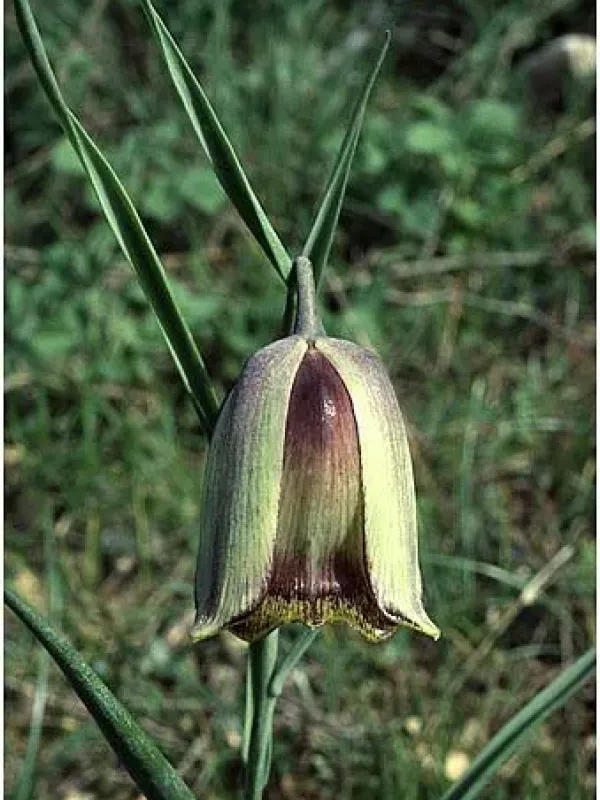
Botanically, the plant is characterized by its compact habit, featuring narrow leaves and delicate, bell-shaped nodding flowers. The petals often display a subtle pink or lilac hue with a distinct checkered or netted pattern, which is a hallmark feature of the Fritillaria genus.
Successful cultivation requires mimicking its native environment. A gritty, well-draining substrate is critical; the plant cannot tolerate waterlogged soil, which leads to immediate bulb decay. It prefers neutral to slightly acidic conditions and excellent aeration.
Climate-wise, this species demands a distinct dormancy period. It performs best in regions with cool summers and cold winters. Excessive heat combined with high humidity is usually detrimental, necessitating careful placement in the garden or greenhouse.
In terms of use, it is highly valued among collectors of alpine and rock garden plants. Because of its sensitivity, it is frequently grown in pots or specialized alpine beds where moisture control can be strictly maintained to ensure long-term viability.
Main diseases and pests
The most significant threat to Fritillaria alburyana is root and bulb rot caused by excess soil moisture. Poorly drained soil acts as a catalyst for pathogens, particularly during the dormant season when the plant is not actively consuming water.
The lily beetle is a major pest that can defoliate the plant during the growing season. Hand-picking is effective for small collections, while systemic insecticides are recommended for larger areas to prevent significant loss of photosynthetic tissue.
Rodents such as voles and mice often find the bulbs highly palatable during winter. Installing protective wire mesh cages at planting time is standard practice to prevent damage and ensure the bulbs remain intact until spring.
Botrytis and other fungal blight infections may occur if air circulation is restricted. Adequate spacing and ensuring the foliage dries off relatively quickly after rainfall are essential components of an effective plant health strategy.
Viral infections may occasionally occur, typically manifested as mottling or streaking on the foliage. Since there is no cure, strict hygiene and the removal of affected bulbs are necessary to prevent the spread of the virus throughout the population.