
Amana erythronioides
Amana erythronioides
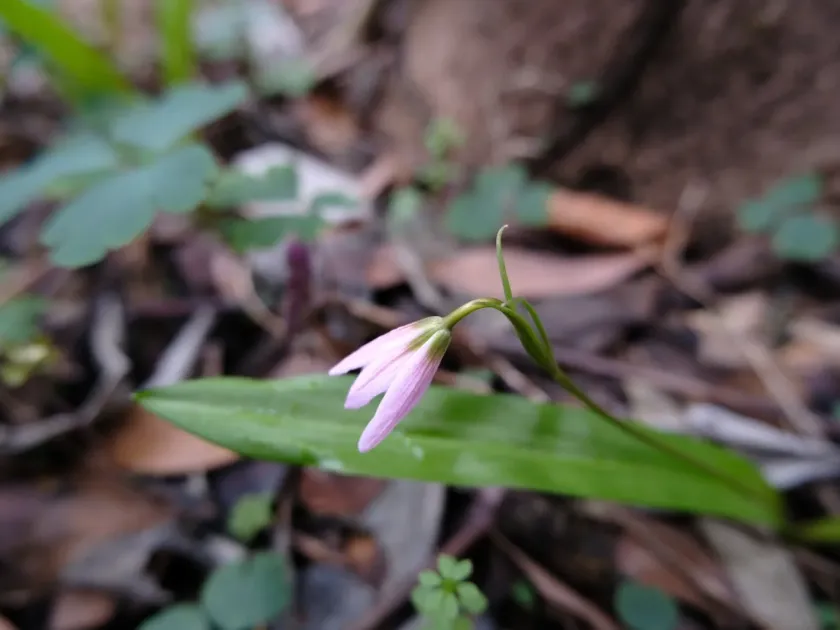
Description
Growing requirements
Amana erythronioides is a bulbous perennial herb belonging to the Liliaceae family. It is native to the temperate regions of East Asia, primarily found in Japan and parts of China, where it thrives in forest understories and moist meadows.
The plant requires well-drained, humus-rich soil to mimic its natural habitat. It is essential to avoid heavy, waterlogged soils, as these can quickly lead to bulb decay, especially during the dormant summer season.
Light requirements are seasonal; the plant benefits from full spring sun before tree canopy leaves emerge, followed by filtered shade in the late spring and summer months. This cycle is critical for proper photosynthesis.
Cold hardiness is a significant feature of this species, allowing it to withstand freezing winter temperatures provided the bulbs are planted at an appropriate depth of at least 8 to 10 centimeters.
Regular maintenance involves keeping the soil relatively dry during the summer dormancy period. This dormant phase is vital for the bulb to store energy for the subsequent year's rapid spring growth and flowering.
Main diseases and pests
The primary threats to Amana erythronioides are fungal diseases, specifically basal rot and grey mold, which are exacerbated by poor drainage and stagnant air conditions in the garden environment.
Insect pests, such as aphids and bulb mites, can damage the foliage and underground tissues respectively. Integrated pest management, including regular inspection and the use of targeted treatments, is advised.
Small mammals, particularly voles and mice, are known to feed on the nutrient-rich bulbs. Gardeners often use protective wire mesh cages or gravel barriers when planting to prevent significant losses.
Environmental stress, such as unseasonably warm winter spells, can break the plant's dormancy too early. A layer of organic mulch helps to insulate the ground and maintain a consistent temperature for the bulbs.
Poor circulation and overcrowded planting spots can foster mildew and other infections. Ensuring adequate spacing between individual bulbs is a key agrotechnical practice to maintain plant vitality and health.