
Acidosasa
Acidosasa
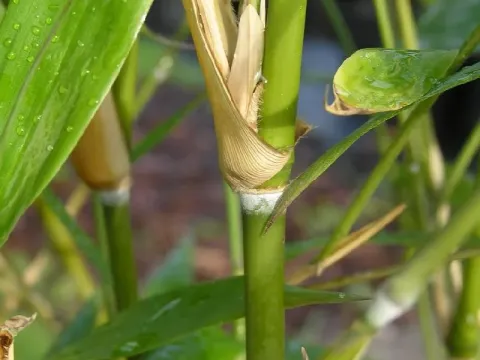
Acidosasa is a genus of perennial evergreen plants belonging to the Poaceae family, specifically the bamboo subfamily. These plants are characterized by their strong rhizomes and bamboo-like woody culms.
What the section contains

Acidosasa
Native to East Asia, particularly regions in China, these plants thrive in subtropical climates. They require a stable environment with consistent moisture and protection from severe cold or drying winds.
The ideal soil for Acidosasa is a well-drained, fertile substrate with a slightly acidic to neutral pH. Proper soil structure is essential, as poor drainage will inevitably lead to root rot issues.
Climatic requirements involve moderate warmth and high humidity levels. While some species show moderate cold tolerance, they perform best in temperate to subtropical zones where frost is minimal.
Cultural practices include the application of balanced fertilizers during the growing season to support the development of new culms and the expansion of the underground rhizome network.
The primary economic use of Acidosasa is in landscape design and ornamental gardening. Its ability to create dense, evergreen screens makes it highly valuable for privacy hedges and environmental windbreaks.
In certain contexts, the culms are utilized for artisanal crafting, stake production, and light construction, as the wood is relatively dense and durable compared to other grass species.
Yield potential is measured in biomass production. Under optimal management conditions, the plant can produce a significant amount of annual growth, contributing to both ecological and functional utility.
Proper harvesting techniques for culms involve selecting mature stems, which ensures the longevity and health of the remaining clump, maintaining consistent productivity year after year.
The ecological impact is also significant, as the species acts as an efficient carbon sink and provides habitat for various beneficial insects, enhancing the biodiversity of the cultivated site.
Fungal infections, such as leaf spot and mildew, are the most frequent health issues for Acidosasa. These often occur in stagnant air conditions or during periods of prolonged high humidity.
Pests like spider mites and scale insects represent the most common biological threats. These organisms cluster on the undersides of leaves, sap-feeding and weakening the plant's structural integrity.
Soil-borne pathogens can impact the root system if the planting site lacks proper aeration. Managing irrigation is the primary defense against such persistent and damaging underground diseases.
Integrated Pest Management (IPM) is recommended, focusing on the removal of damaged tissue and the use of targeted treatments only when pest populations exceed acceptable thresholds.
Consistent monitoring and maintaining a clean growing area are crucial to preventing the buildup of spores and larvae that could compromise the growth of new, tender bamboo shoots.