
Acidosasa edulis
Acidosasa edulis
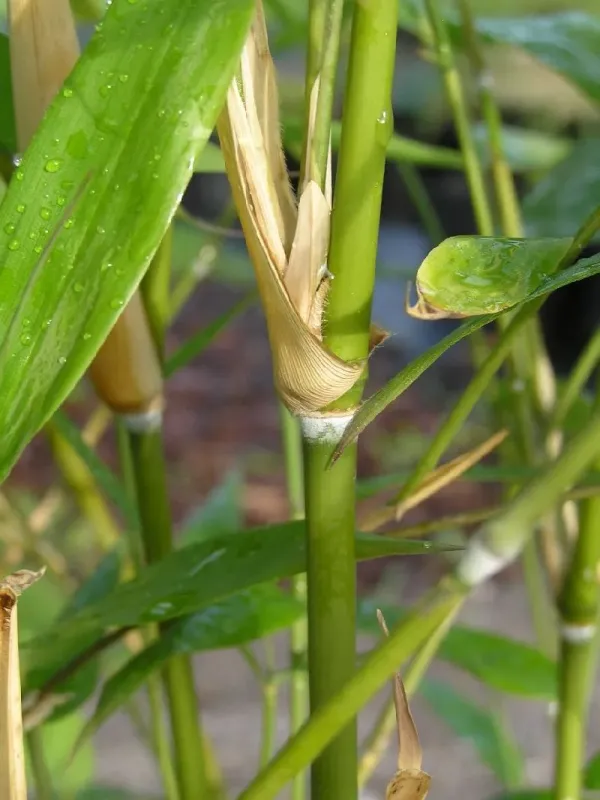
Description
Growing requirements
Acidosasa edulis is a prominent member of the Poaceae family, widely recognized for its high-quality edible shoots. Originating from the subtropical regions of China, particularly Zhejiang province, this bamboo species is highly valued in horticulture.
The plant thrives in fertile, well-drained loamy soils. A slightly acidic to neutral pH level is ideal for nutrient uptake. Consistent soil moisture is essential for the rapid growth of rhizomes and the emergence of healthy shoots.
Climate requirements include warm temperatures and high relative humidity. While the species demonstrates moderate cold tolerance, it performs best in sheltered locations protected from harsh, drying winds that can damage the foliage.
Agricultural techniques involve maintaining adequate spacing to prevent overcrowding, as Acidosasa edulis produces vigorous rhizome systems. Regular mulching with organic matter helps retain soil moisture and suppresses competitive weed growth.
Economically, this bamboo is cultivated primarily for its young shoots, which are harvested and processed into various culinary dishes. Its mild, non-bitter flavor makes it a preferred variety for large-scale agricultural production.
Yield
The yield of Acidosasa edulis is largely determined by the maturity of the bamboo grove and the management practices employed. Properly maintained plantations can produce a continuous supply of shoots over several decades.
Application of balanced fertilizers, particularly during the onset of the spring growth phase, significantly enhances shoot size and quality. Thinning of older culms also helps prioritize energy for new shoot development.
Main diseases and pests
Root pathogens and fungal infections are the primary threats, especially in areas with poor drainage and stagnant water. Implementing a preventative drainage system is the most effective way to protect the plant.
Pests such as mites and aphids can infest the bamboo foliage, particularly in dense groves. Regular inspections and the use of integrated pest management strategies are recommended to maintain plant vigor throughout the season.
Harvesting
Harvesting is restricted to the early spring when the shoots have just emerged from the soil. Timing is crucial; if left to grow too long, the shoots become fibrous, lignified, and lose their culinary appeal.
Shoots are carefully excavated from the ground, ensuring the underground rhizome remains intact. After harvesting, they are typically boiled or steamed to eliminate any lingering enzymes and soften their texture.