
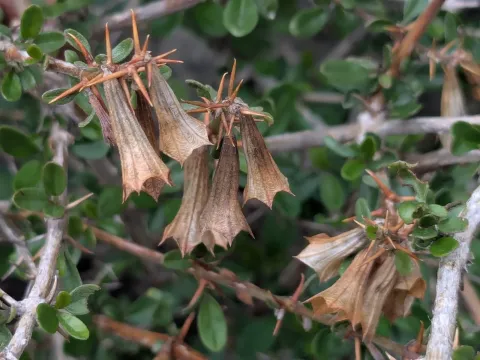
Acanthoprasium
Acanthoprasium
Acanthoprasium is a genus of flowering plants belonging to the Lamiaceae family, commonly associated with the flora of the Mediterranean region.
What the section contains

Acanthoprasium
These plants are adapted to well-drained, nutrient-poor, and often rocky soils, thriving in conditions where other plants might struggle to survive.
As a sun-loving species, it requires ample direct sunlight to reach its full development potential and produce its characteristic aromatic compounds.
Climatic requirements are defined by warm, dry summers, as the plant has evolved to tolerate periods of low precipitation efficiently.
When cultivating Acanthoprasium, it is essential to mimic its natural habitat by ensuring high soil aeration and preventing any waterlogging in the root zone.
The primary threat to the health of Acanthoprasium plants is excessive moisture, which leads to various fungal diseases and root rot conditions.
Good air circulation is vital for maintaining the plant's health, as damp and crowded conditions frequently trigger the development of powdery mildew.
In terms of pests, aphids are the most common issue, often colonizing the tender tips of stems during the warmer months of the year.
Regular monitoring of the plantation is recommended to identify early signs of infestation and to manage the population before it causes damage.
Effective management includes maintaining proper planting spacing and ensuring that the soil structure supports fast drainage to keep the plants healthy.