
Shrubby acanthoprasium
Acanthoprasium frutescens
Description
Growing requirements
The shrubby acanthoprasium (Acanthoprasium frutescens) is a perennial subshrub belonging to the Lamiaceae family. It is native to the western Mediterranean, specifically found in parts of Spain and Portugal, where it thrives in rocky, calcareous, and well-drained environments.
This species is highly adapted to arid and semi-arid climates, showcasing significant drought tolerance. For successful cultivation, it requires full sun exposure and a well-ventilated site to prevent fungal issues related to stagnant air and high humidity.
Soil requirements are relatively modest, focusing primarily on excellent drainage capacity. The plant is prone to root rot if waterlogged, making light, sandy, or rocky soil compositions the best choice for commercial or garden establishment.
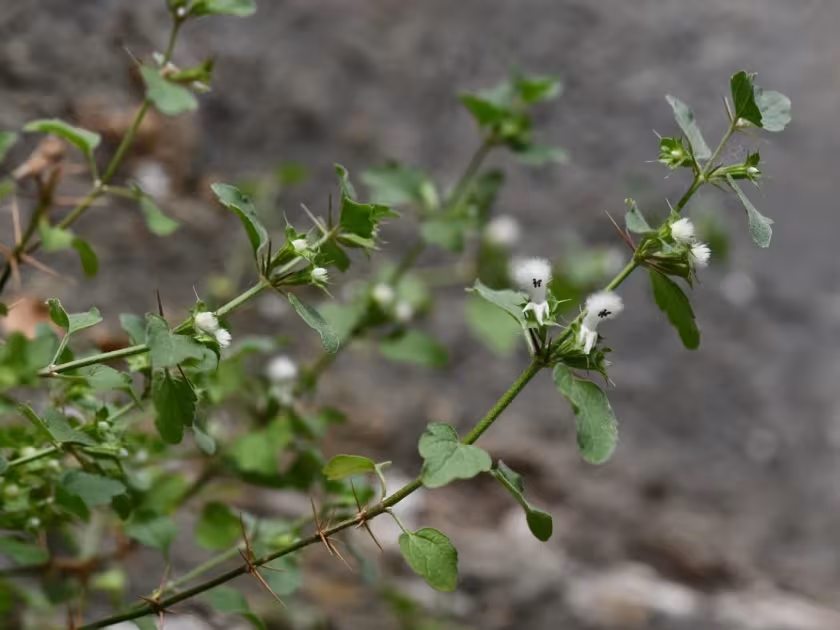
Botanically, it features woody-based stems and aromatic, oppositely arranged leaves that exhibit classic characteristics of the mint family. Its flowering cycle supports local biodiversity by attracting various pollinators, which enhances the stability of the surrounding agricultural ecosystem.
Economic applications include the extraction of aromatic essential oils and usage in low-maintenance landscape design. As a hardy plant, it represents a potential crop for sustainable agricultural systems that prioritize minimal water usage and reduced inputs in warm, Mediterranean-like environments.