
Acampe
Acampe
Acampe is a genus of perennial flowering plants belonging to the Orchidaceae family. These are typically monopodial epiphytes, naturally occurring in tropical habitats where they grow on tree branches, drawing moisture and nutrients from the humid forest environment.
What the section contains


Acampe
The native range of this genus spans across tropical Asia and Africa, including countries such as India, Nepal, and Kenya. They are primarily found in forests where high ambient humidity and consistent temperatures support their slow-growing development.
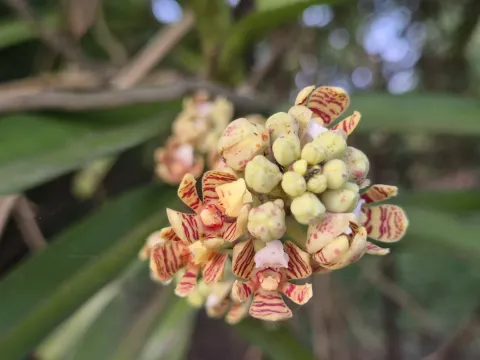
Botanically, the genus is characterized by leathery leaves arranged in two rows on a rigid stem. The inflorescences consist of dense racemes bearing small, often fragrant flowers that display subtle color variations, typically yellows and greens with dark markings.
Cultivation requires bright, indirect sunlight to prevent leaf scorching while promoting flowering. A standard warm-to-intermediate temperature range is ideal, paired with excellent airflow, which is critical for preventing moisture-related complications in the crown.
For substrate, a very coarse mix of orchid bark, perlite, and charcoal is recommended to ensure the roots remain well-aerated. Watering should be thorough but allow for a drying period, mimicking the natural wet and dry cycles of the tropical rainforest.
The primary threats to Acampe species involve fungal and bacterial pathogens that flourish in stagnant air or excessively damp conditions. Root rot is the most common issue, often resulting from improper potting media or overwatering, necessitating immediate drainage adjustment.
Insect pests such as spider mites, scale insects, and mealybugs are frequent challenges in greenhouse or indoor environments. Effective management involves regular monitoring, manual cleaning of leaves, and the application of mild horticultural oils or specialized insecticides if an infestation is detected.