
Acampe rigida
Acampe rigida
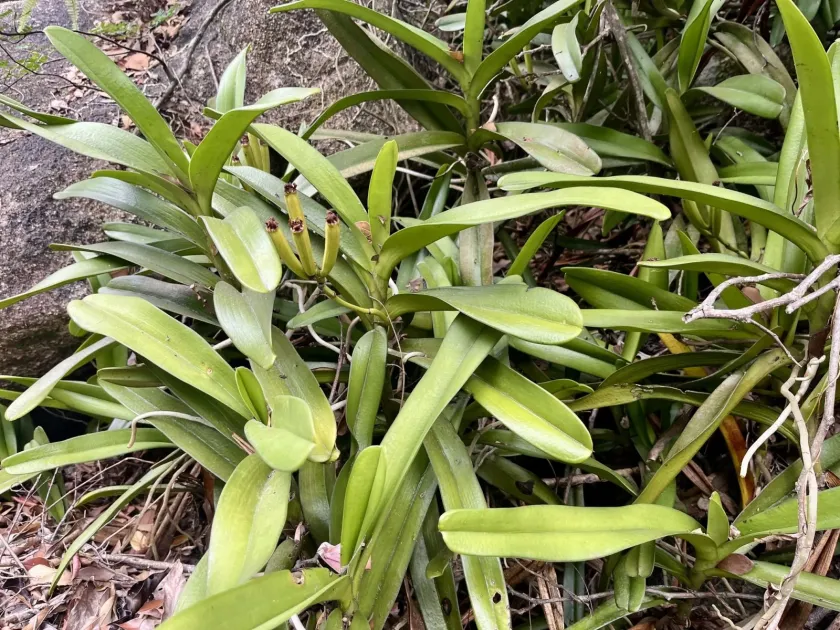
Description
Growing requirements
Acampe rigida is a fascinating species within the Orchidaceae family, known for its slow-growing, monopodial habit. Native to the tropical forests of India, China, and Southeast Asia, this orchid naturally develops as an epiphyte, anchoring itself to tree branches and trunks where it thrives on high humidity and filtered sunlight.
The climatic requirements for this plant demand high ambient moisture and stable warm temperatures, typically ranging from 22°C to 30°C. In cultivation, it is essential to replicate its natural environment by providing high air humidity and avoiding extreme cold, which can cause significant physiological stress to the thick leaves and roots.
For substrate, Acampe rigida requires a coarse, porous medium that allows for rapid drainage. Most growers utilize large pieces of pine bark or charcoal. Alternatively, mounting the plant on a piece of cork or hardwood mimics its natural epiphytic life and prevents the roots from sitting in excessive moisture, which is vital for long-term health.
Light intensity is a critical factor for healthy growth; the plant requires bright, indirect light to develop its characteristic stiff foliage. Intense, direct solar radiation will scorch the leaves, leading to irreversible damage. Conversely, insufficient light levels will result in weak growth and a complete failure to produce its small, fragrant flowers.
Cultivation for decorative purposes requires strict adherence to seasonal rhythms, with a slightly drier period during the cooler months to trigger flowering. The plant is prized by enthusiasts for its unique, sturdy appearance and its dense, clustered inflorescences that offer a distinct aesthetic value in specialized orchid collections.
Main diseases and pests
Typical pests include scale insects and mealybugs, which often colonize the leaf axils. Frequent monitoring is necessary, especially in collections with high plant density, and infestations should be addressed with horticultural soaps or systemic insecticides upon first detection.
Fungal pathogens represent the most significant threat, often induced by stagnant air and water accumulation. Maintaining excellent air circulation and preventing water from remaining in the crown of the plant are the primary defenses against bacterial rots and fungal infections.