


Reference · Weeds
Greater plantain
Greater plantain (Plantago major) is a common weed belonging to the Plantaginaceae family. This perennial herb is widely recognized for its high adaptability to compacted soils and diverse environmental conditions, frequently infesting pathways, pastures, and disturbed agricultural land where it acts as a persistent competitor.
8
items
What the section contains
Marketplace
Products in this section · 3
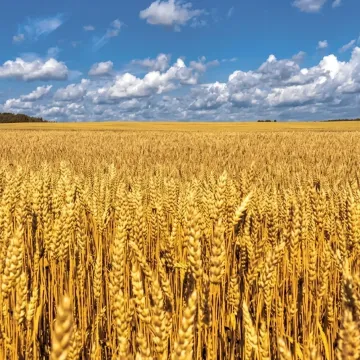
Greater plantain
This weed is commonly found in meadows, vegetable crops, and along the margins of arable fields. It thrives in soils with high moisture content and reduced aeration, where it establishes deep root systems that interfere with the normal development of adjacent crop plants, thereby reducing overall land productivity and uniformity of the harvest.
The biology of the Greater plantain is defined by its basal rosette of leaves and a strong, fleshy taproot. It reproduces exclusively through seeds, which are highly resilient and can remain dormant in the soil seed bank for several years. A single mature plant can produce thousands of seeds, ensuring rapid colonization of vacant or poorly managed soil patches.
The negative impact on agriculture includes nutrient and water competition, which stunts the growth of economically significant crops. Furthermore, the presence of these plants in pasture areas reduces the nutritional quality of forage, while in arable fields, their dense growth hinders the efficiency of mechanical harvesting and promotes the spread of soil-borne diseases.
- Regular deep cultivation to sever and exhaust the root system.
- Implementation of crop rotation to break the life cycle of the weed.
- Timely mechanical removal or mowing to prevent seed head formation.
- Application of selective herbicides (e.g., 2,4-D or dicamba) in grain crops.
- Maintaining soil structure to reduce compaction and favor crop vigor.