
Sweet broomweed
Scoparia
Description
How to tell it apart
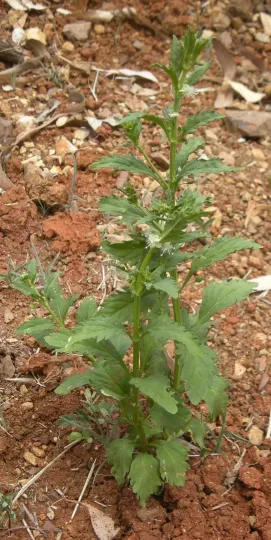
Sweet broomweed (Scoparia dulcis) is a perennial herbaceous plant or subshrub belonging to the Plantaginaceae family. It is characterized by its heavily branched, erect stems which can reach up to one meter in height.
The leaves are lanceolate or ovate with serrated edges, arranged oppositely or in whorls along the stem. This foliage pattern is a key diagnostic feature for recognizing the plant in the field.
Its flowers are small, white or pale yellow, appearing in the leaf axils. The plants have a distinct floral structure with a four-part calyx and corolla, typical of its family.
The fruit is a small, globular capsule containing numerous tiny seeds. This high reproductive capacity enables the weed to spread rapidly across large areas and quickly dominate new habitats.
It possesses a strong, well-developed taproot system that allows the plant to access deep soil moisture, contributing to its resilience in various environmental conditions and high adaptability.
Where it grows
Sweet broomweed is a common weed in tropical and subtropical regions worldwide. In agriculture, it poses a significant threat to various crops, including rice, corn, cotton, and various vegetable varieties.
The plant thrives in well-lit areas and is frequently found along roadsides, pastures, and fallow fields. It demonstrates broad ecological plasticity, performing well in various soil types, particularly in fertile and moist environments.
The dissemination of seeds is primarily facilitated by wind, water, and agricultural machinery. Contaminated seed stock is a major pathway for the introduction of this weed into previously clean agricultural fields.
Sweet broomweed can form dense patches that outcompete native or cultivated plants. Its ability to thrive in disturbed soils makes it a particularly problematic weed in intensive farming operations.
Due to its biological cycle, the weed can produce multiple generations within a single growing season, maintaining a constant presence in the field if not managed effectively.
Harm it causes
The primary damage caused by sweet broomweed is the competition with crops for essential resources such as water, nutrients, and sunlight. Its rapid vegetative growth allows it to shade out young crop seedlings.
The presence of this weed in crops leads to significant yield losses. By aggressively absorbing nitrogen and other micronutrients, it stunts the growth of main crops, resulting in reduced productivity at harvest time.
Sweet broomweed acts as a reservoir for various plant viruses and fungal diseases. Pests that transmit these pathogens can use the weed as a host, increasing the risk of disease spread within the field.
Large infestations complicate mechanical field operations and harvesting. This adds to the operational costs and increases the likelihood of mechanical damage to the crop due to dense weed growth.
The massive accumulation of seeds in the soil bank makes sweet broomweed a persistent threat. Failure to implement timely control measures can lead to long-term soil contamination and increased management costs in future seasons.
How to control
Agronomic control methods include deep plowing or tillage, which buries the seeds at depths where they struggle to germinate. Timely cultivation between crop rows is effective in destroying young seedlings before they flower.
Crop rotation is an essential strategy for suppressing weed populations. Alternating crops with different growth patterns and cultivation needs helps disrupt the life cycle of sweet broomweed effectively.
Chemical control involves the use of broad-spectrum herbicides during the early stages of plant development. It is crucial to choose appropriate products based on the specific crop and the growth stage of the weed.
Integrated weed management programs, combining mechanical removal, herbicides, and crop rotation, are the most effective approach. This reduces the risk of herbicide resistance, which can occur if the same active ingredients are used repeatedly.
Good sanitation practices, including the use of clean seeds and thorough cleaning of machinery after use in infested areas, are vital steps to prevent the spread of sweet broomweed to new agricultural lands.
Taxonomy
- Latin name
- Scoparia
- Family
- Подорожник большой
- EPPO code
- SCFSS